Highland Wild Dogs of Papua: Local Knowledge and Genetic Links
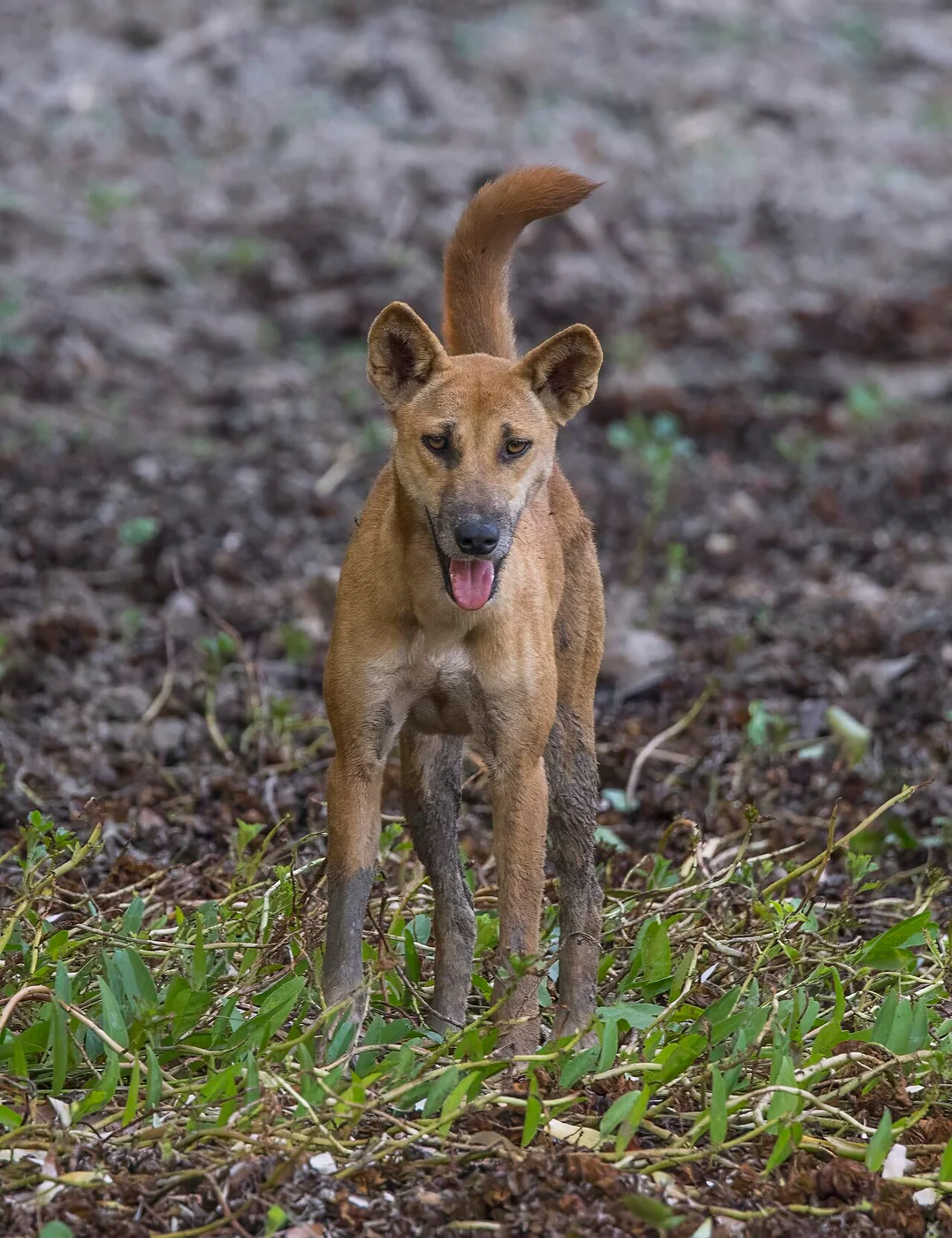
Communities near Puncak Jaya in Indonesia’s highlands share observations of these vocal canids, whose wild ancestors appear tied to the captive New Guinea singing dog population.
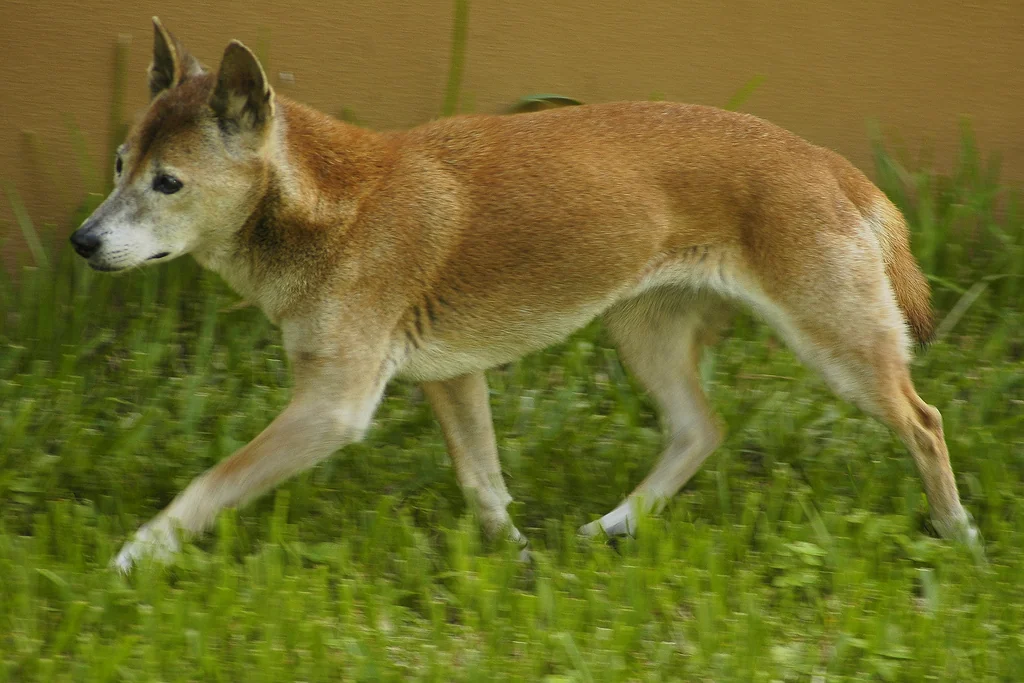
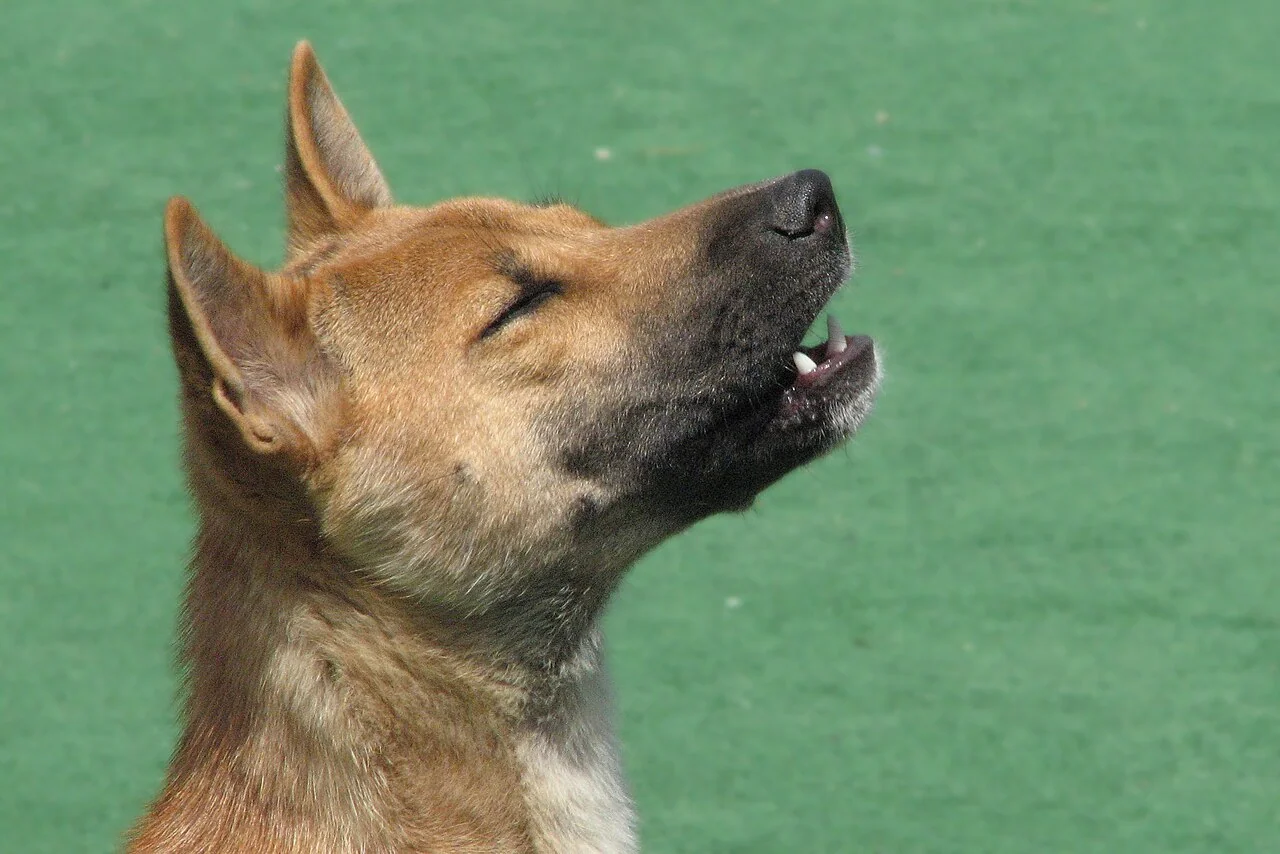
New Guinea Singing Dog (Highland Wild Dog), documentary photograph of a living individual. Patti McNeal · CC BY 2.0 · Web size optimized; source linked for the original.
In the remote highlands of Papua, Indonesia, near the Grasberg Mine in the Sudirman Range, researchers and local people have documented a population of wild dogs known for their distinctive howls. Genetic studies suggest these highland wild dogs, or HWD, represent the ancestral source for the captive New Guinea singing dogs kept in zoos and conservation programs worldwide. While some communities revere the animals and avoid hunting them, others hold varied views. Evidence from expeditions, camera traps, and interviews paints a picture of shy predators living at extreme altitudes, though direct observations of cooperative hunting remain limited. This article draws only on the cited sources to explore what is known, what remains uncertain, and what questions arise for conservation and cultural understanding. Light-hearted speculation about their melodic calls filling misty valleys is offered here purely as editorial imagination, not as reported fact.
Genetic Evidence Connecting Wild and Captive Populations
A 2020 study published in the Proceedings of the National Academy of Sciences analyzed nuclear genomes from three captured highland wild dogs. The results showed these genomes are nearly identical to those of captive New Guinea singing dogs, supporting the idea that the wild highland population is ancestral. The research involved collaboration with the University of Papua and confirmed the animals through vocalizations, photographs of 15 individuals, and genetic samples. This work highlights the value of the highland dogs as a potential reservoir of genetic diversity for the inbred captive population.
However, the same genomes also reveal some admixture from village dogs, indicating that the story is not entirely straightforward. The study authors note that while the highland wild dogs live at altitudes above 4,000 meters, their genetic profile carries traces of interbreeding. This finding raises practical questions for conservationists: how best to protect the wild population without introducing further domestic dog genes? Editorial reflection suggests that preserving habitat around Puncak Jaya could help maintain this living link to the singing dog lineage, though the precise long-term outcomes remain unknown.
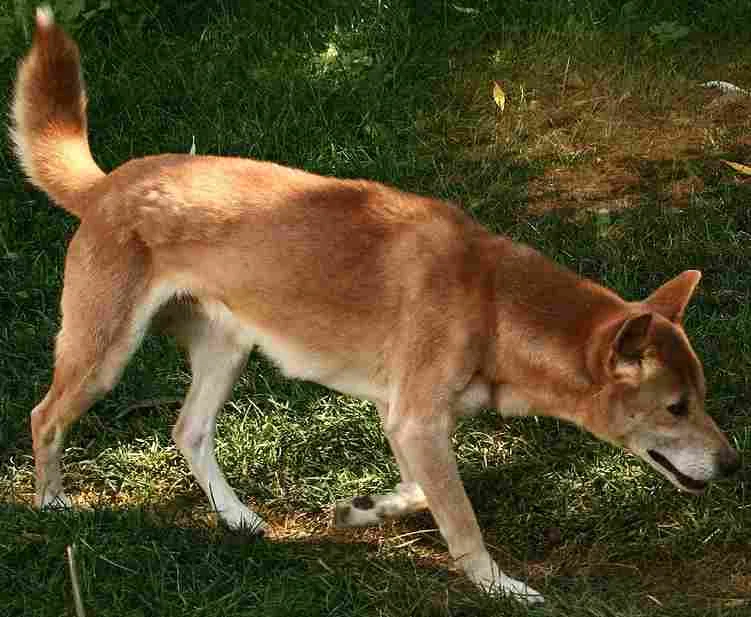
Profile of a New Guinea Singing Dog, representative of the captive population whose nuclear genomes were found nearly identical to the highland wild dogs in the 2020 PNAS study. Valerie Abbott, ucumari on flickr.com · CC BY-SA 2.0. Web size optimized; original linked.
Local Knowledge from Tribes Near Puncak Jaya
An ethnoecological study interviewed members of the Amungme, Damal, Moni, and Kamoro tribes living near Puncak Jaya. Participants described the highland wild dogs’ morphology, behavior, and cultural role. Notably, the Amungme and Moni tribes reported that they do not hunt these dogs and sometimes prepare nursery or den sites, reflecting a preservation-oriented approach. The dogs are known locally for their howling, and the study estimates a population of around 200 based on community input.
The research, published in Jurnal Biologi Papua in 2022, draws on local knowledge rather than direct behavioral observation. It references earlier work on mammals in other New Guinea areas but cautions that views differ across regions. In some places wild dogs are treated as trophies, yet near the mine-adjacent villages the attitude appears protective. This contrast invites readers to consider how cultural attitudes toward wildlife can shift even within one island, and whether reverence for the dogs might support future conservation efforts. One can imagine, in a purely fictional satirical sketch, a village elder politely declining to chase a howling dog because “his song is better than our hunting chant,” but such scenes are invented for illustration only and carry no factual weight.
Field Expeditions and Observations Near the Grasberg Mine
Expeditions conducted in 2016, 2018, and 2022 near the Grasberg Mine, in partnership with the University of Papua, Cenderawasih University, and the New Guinea Highland Wild Dog Foundation, used camera traps, direct observations, scat collection, and GPS collars. These efforts documented the dogs as the largest native land predator in the area. Locals surrounding the mine reportedly revere the animals, do not hunt them, and sometimes offer food according to custom. The studies note an absence of village dogs or human competition for prey at the site.
The findings appear in Australian Mammalogy and emphasize that reverence is specific to these mine-adjacent communities. Sightings in the separate Star Mountains region, including a 2012 photograph and an account of a puppy captured in 1989, are mentioned but not directly tied to the Puncak Jaya data. This geographic distinction matters: what holds true near the mine may not apply uniformly across Papua’s highlands. An editorial implication is that mining operations could inadvertently create refuges if local customs continue to protect the dogs, though this remains an open question rather than a proven outcome.
Grasberg mine, Indonesia, the site of 2016–2022 camera-trap and observation expeditions on highland wild dogs in partnership with University of Papua researchers. Alfindra Primaldhi · CC BY 2.0. Web size optimized; original linked.
Historical Sightings and Reports from the Star Mountains
The Southwest Pacific Research Program and New Guinea Highland Wild Dog Foundation compile historical local reports of wild dogs, known in some areas by the name Kogllma, from the Star Mountains and nearby Mt. Stolle and Mekil in western Papua New Guinea. Accounts include singing heard by a biologist in 1995 and measurements of skulls from dogs killed by hunters. One report mentions a puppy captured by a local in the Star Mountains in 1989. These records describe the animals as generally shy.
Importantly, these are expedition summaries and second-hand communications rather than systematic data on hunt participation. The sources do not confirm active cooperative hunting partnerships between humans and the dogs. Instead, they highlight occasional human–dog interactions that range from capture to reverence. This patchwork of reports leaves room for uncertainty: while the melodic howls have clearly impressed observers for decades, claims of time-honored cooperative hunts lack direct support in the cited source material. A light-hearted editorial note might observe that if the dogs could file expense reports, they would likely bill for “vocal accompaniment only,” but again this is pure invention meant to amuse without pretending to document real events.
Uncertainties, Implications, and Questions for Readers
Across the sources, several limitations stand out. The genetic study acknowledges captive inbreeding and some village-dog admixture in the wild population. The ethnoecological paper relies on interviews rather than prolonged field observation of behavior. Expedition reports are site-specific and distinguish between reverence near the mine and trophy hunting elsewhere. No source provides verified evidence of ongoing cooperative hunts in the Star Mountains or elsewhere. These gaps matter because they shape what conservation strategies can realistically claim.
Useful questions follow logically from the evidence: How might protecting high-altitude habitats benefit both the dogs and the genetic health of captive singing dog programs? Could cultural preservation concepts among the Amungme and Moni tribes be expanded to other communities? What role, if any, should mining companies play in monitoring these populations? Editorial analysis suggests that respecting local knowledge offers the most grounded path forward, even if full understanding of the dogs’ ecology remains incomplete. Readers might reflect on how melody and mystery still surround these animals, reminding us that not every wild voice yields all its secrets at once. In the end, the highland wild dogs of Papua illustrate both the promise and the limits of current scientific and cultural data.
AI-assisted original writing. This feature was revised against source material and checked for unsupported claims. Follow the references below for evidence and its limits.
Large mastiff-type dogs have served as protectors on remote South African farms for generations, though many popular stories about their exact origins remain unverified tradition.

 Photograph