Covering Dogfighting Raids: How Journalists Can Focus on Recovery, Law, and Community
Responsible reporting on law enforcement actions against dogfighting operations highlights animal care, legal processes, and local efforts without sensationalism.
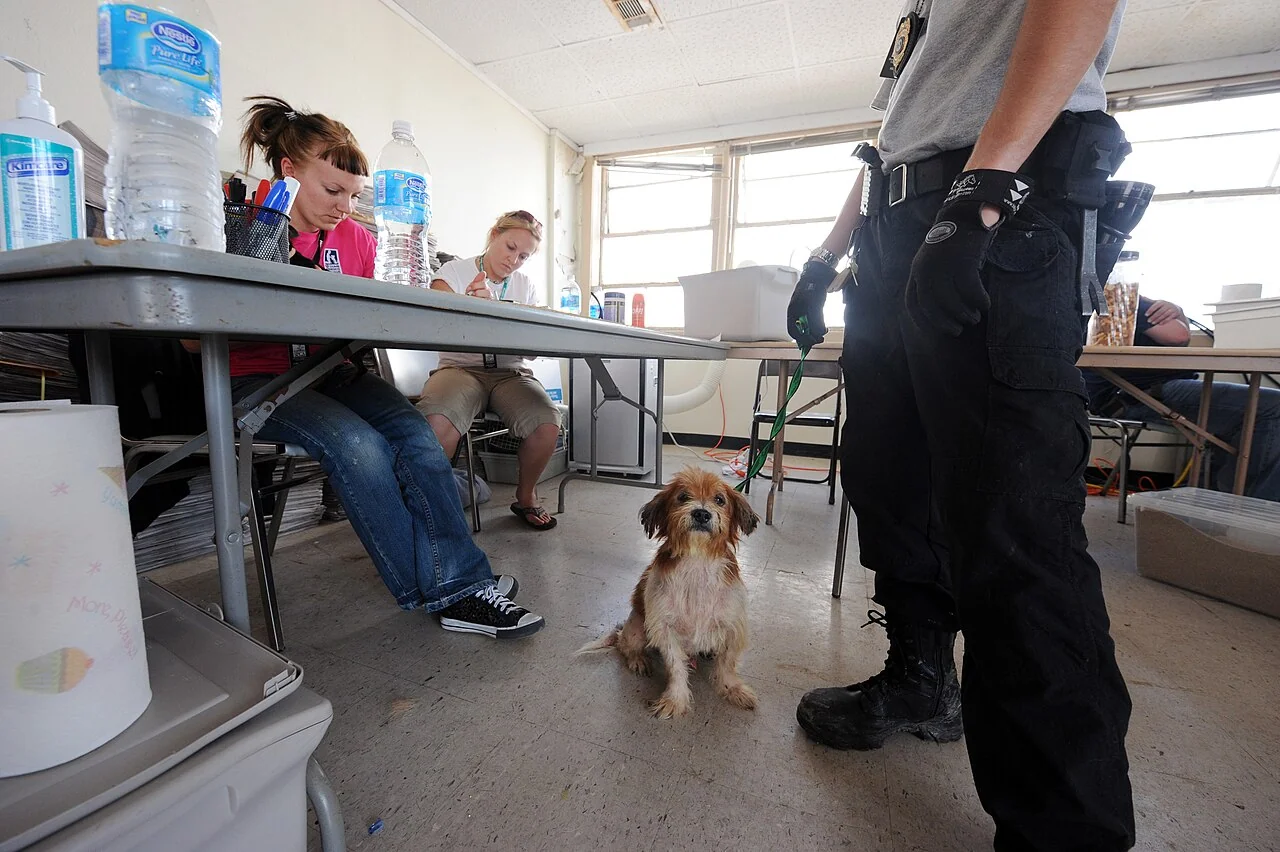
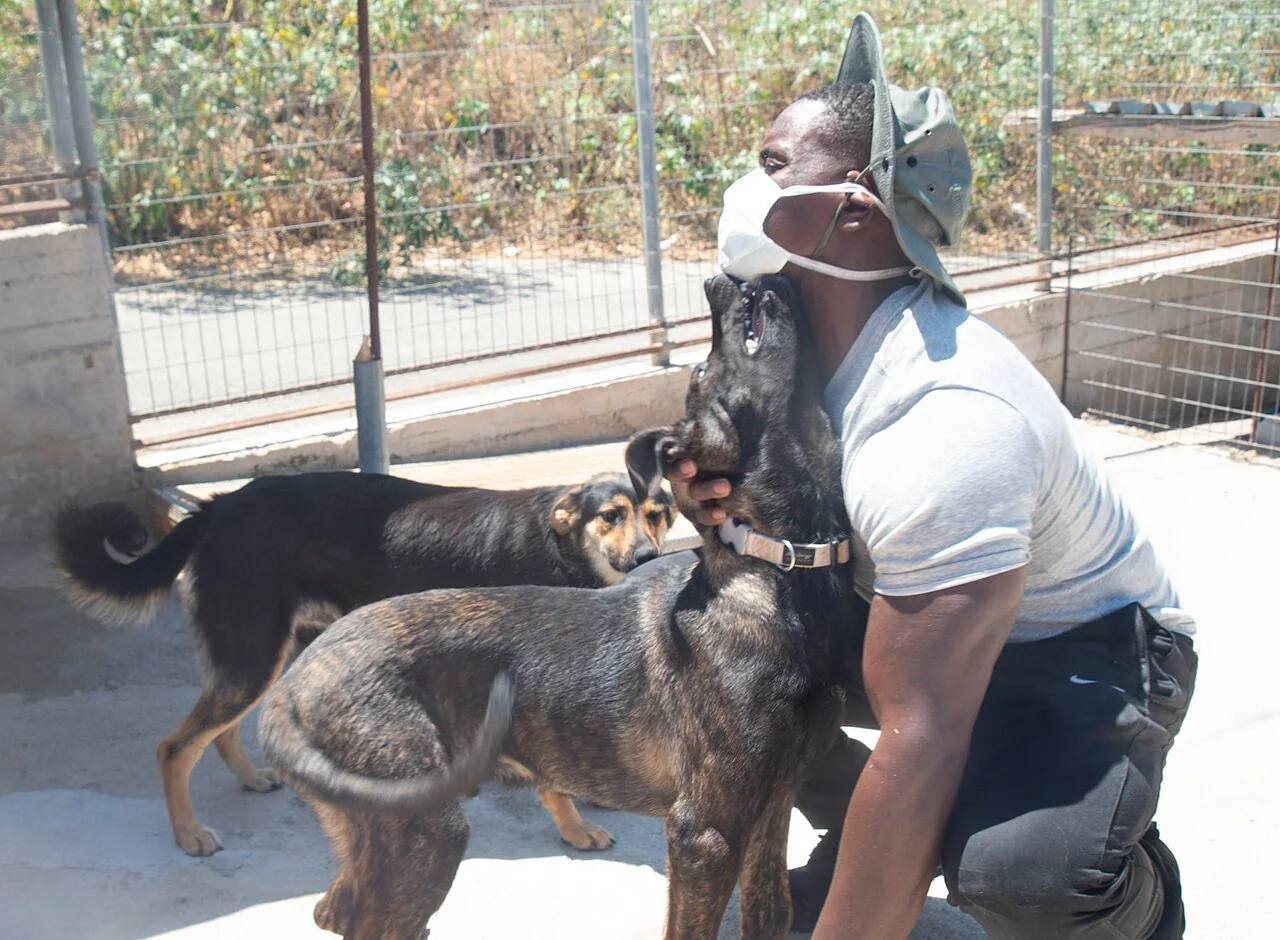
Rescued dog at a shelter with staff and volunteers Jocelyn Augustino · Public domain · Web size optimized; source linked for the original.
When law enforcement raids suspected dogfighting operations, the story that follows can either feed public outrage with graphic detail or illuminate the practical realities of animal recovery, court proceedings, and community responses. Evidence from animal welfare organizations and legal overviews shows that journalists play a role in explaining coordinated task forces, the work of shelters and veterinarians, and the importance of waiting for judicial outcomes. This approach keeps the focus on facts, respects the welfare of the animals involved, and avoids turning suffering into spectacle. Light moments, such as picturing a shelter worker calmly herding a wary dog while humming off-key, can humanize the effort without undermining the serious nature of the cruelty or the painstaking legal work ahead.
Coordinated Task Forces and Law Enforcement Roles
Evidence indicates that many communities rely on coordinated dogfighting task forces that bring together local and regional government agencies, nongovernmental organizations, and community groups. These efforts often include public service campaigns designed to educate residents about the seriousness of dogfighting and to provide clear channels for reporting suspicions. Journalists covering a raid can usefully describe how these partnerships operate, noting that only local law enforcement officials and prosecuting attorneys hold the authority to initiate criminal actions. Concerned citizens are advised to contact law enforcement rather than investigate independently, a point that helps readers understand proper channels without encouraging vigilante efforts.
Editorial analysis suggests that highlighting the collaborative structure of these task forces can reassure communities that responses to suspected operations are professional and multifaceted. One useful reading question for audiences is whether their own locality maintains an active task force and how residents can support its education campaigns. The implication is that informed public participation may strengthen prevention efforts, though effectiveness clearly varies by location and resources. This framing shifts the narrative from dramatic busts to sustained, quieter community work that logically follows from the evidence on task force models.
Animal Seizure, Transport, and Initial Veterinary Care
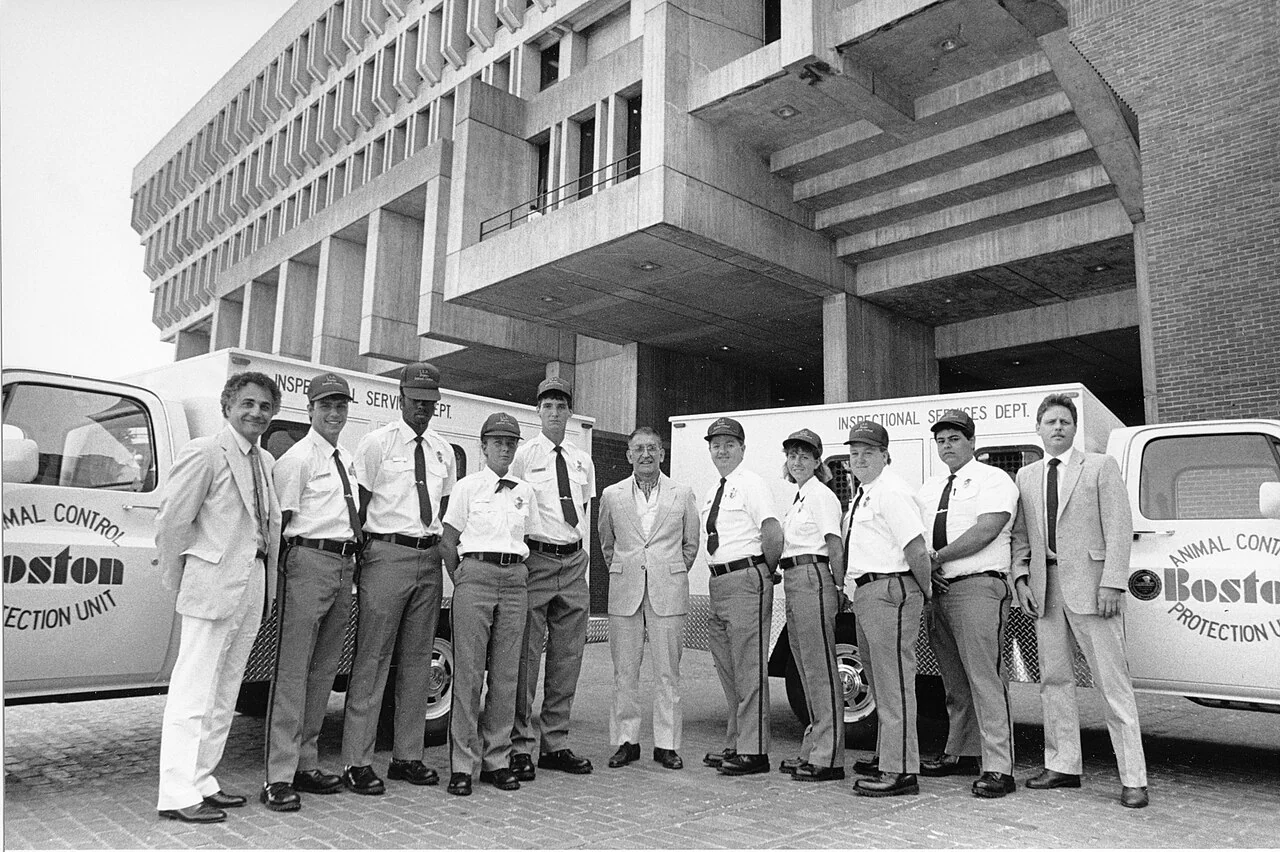
Animal control officers typically take the lead in safely capturing and transporting dogs during coordinated raids because of their greater experience with animals that may be dangerous. Shelter veterinarians often provide on-site triage, emergency care, and detailed health documentation once the animals are secured. These steps, drawn from guidance for animal shelters, underscore the specialized skills required and the priority placed on humane handling even in high-pressure situations.
A touch of light humor might imagine a seasoned animal control officer trading knowing glances with a veterinarian over a particularly stubborn dog who eyes the transport crate like it owes him money, yet the underlying reality remains sobering: each animal carries evidence of its circumstances that must be carefully recorded. Journalists can explain these procedures to readers, emphasizing that such documentation supports later court proceedings. An editorial implication is that accurate, early veterinary involvement improves prospects for the dogs' long-term welfare, though outcomes remain subject to judicial decisions. Readers might ask what training local animal control staff receive, prompting reflection on community preparedness.
Securing and Housing Seized Dogs During Legal Proceedings
Once dogs are removed from a suspected fighting operation, they must be housed in facilities with secure perimeters, cameras, 24-hour security or alarms, and often increased police patrols. The purpose is to protect the animals from potential break-in attempts while court proceedings determine their legal status. Shelters are advised not to release animals prematurely, as disposition depends on jurisdiction-specific court outcomes.
This phase can stretch on, turning shelters into temporary fortresses of patience and paperwork. Editorial analysis highlights the resource strain on humane societies and municipal facilities, which must balance animal welfare with legal caution. A practical reading question for the public is how local shelters fund and staff such extended care, an issue that follows logically from the need for heightened security. The evidence implies that without proper safeguards, the very animals rescued could be placed at further risk, reinforcing the importance of sustained community and law enforcement support throughout the judicial timeline.
Dogfighting is a felony in all 50 U.S. states, according to the legal overview examined. However, signs such as specialized equipment, injuries on dogs, or particular housing arrangements do not by themselves prove an individual's involvement; seasoned investigators are required to build cases. Multiple residences and frequent movement of dogs are noted as common tactics in operations, adding complexity to prosecutions.
Reporters serve readers best by setting realistic expectations about legal timelines and possible results rather than promising swift, sweeping victories. Editorial interpretation suggests that emphasizing the evidentiary threshold protects against oversimplified coverage that could undermine public trust when cases take time or yield partial outcomes. Readers might usefully consider what constitutes sufficient evidence in their jurisdiction, an exercise that encourages informed civic dialogue. The implication is that accurate legal reporting contributes to broader understanding of animal cruelty statutes without veering into speculation about specific case results.
Community Impacts and Paths Toward Recovery
Beyond the immediate raid, coverage can address how dogfighting affects neighborhoods, including the role of education campaigns in changing attitudes. Task forces often pair enforcement with outreach that encourages community members to recognize warning signs and report them responsibly. This dual approach aims to reduce the prevalence of such operations over time.
For the dogs themselves, recovery paths depend on court decisions and subsequent placement possibilities, though specific success rates are not detailed in the available evidence. Light fictional satire could picture a dog named "Bubba" (clearly labeled as an invented character) attending a support group for former fighting dogs, complaining that his emotional baggage includes too many chew toys, yet this remains purely humorous invention with no claim to real events. Editorial analysis observes that focusing on community healing and animal rehabilitation possibilities, where supported by evidence of task force work, offers a more constructive narrative than lurid recounting of injuries. A closing reading question is how residents can contribute to aftercare or education programs, underscoring the logical extension that informed communities may help break cycles of cruelty.
AI-assisted original writing. This feature was revised against source material and checked for unsupported claims. Follow the references below for evidence and its limits.
 Historical collection image