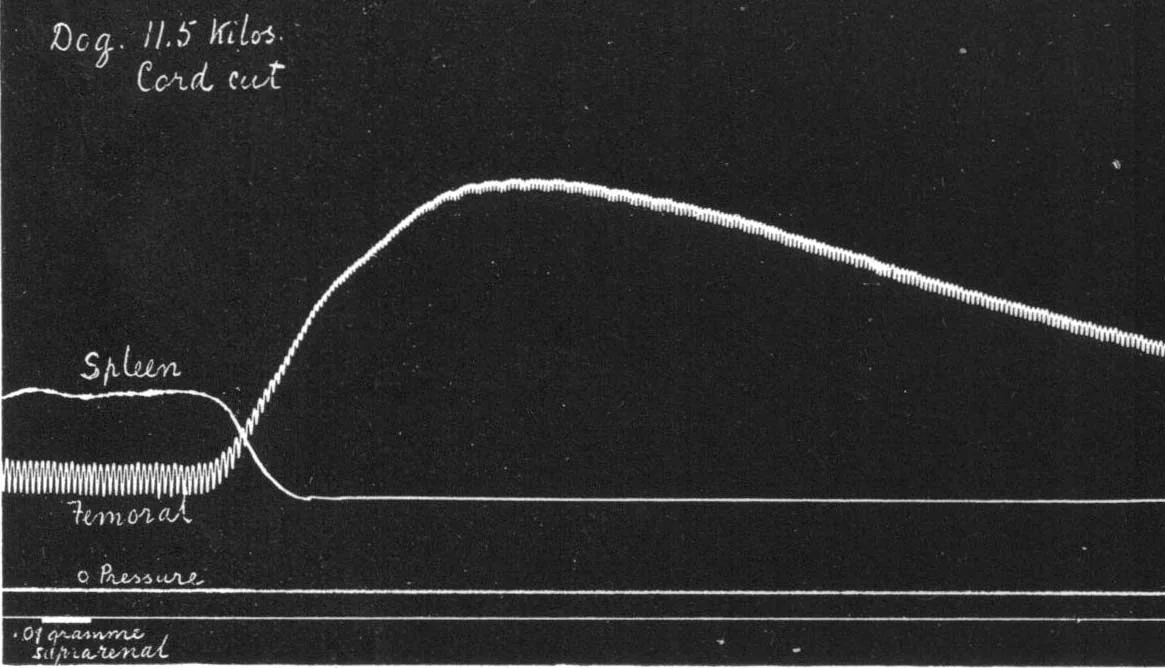
Recording of blood pressure of anaesthetized dog and response to suprarenal gland extract Goerge Oliver and Edward Albert Sharpey-Schäfer · Public domain · Web size optimized; source linked for the original.
A dog sprints after a toy then flops down for a snooze. These quick shifts depend on glands that talk to one another through hormones carried in the blood. Negative feedback loops form the core of this conversation, automatically dialing production up or down to keep levels from swinging too far. the cited source material focuses on how these loops operate in animals including dogs, especially involving the pituitary, adrenal glands, and cortisol. Understanding the basics can help owners notice when something seems off and bring those observations to a veterinarian.
The Pituitary Gland and Its Regulatory Role
The pituitary gland sits at the base of the brain and releases hormones that tell other glands what to do. In dogs, cells in the anterior pituitary produce ACTH, which travels through the blood to stimulate the adrenal glands.
The evidence shows that endocrine cells in the adenohypophysis are controlled by hypothalamic releasing hormones delivered via the hypophyseal portal system. For most pituitary tropic hormones, negative feedback depends on the blood concentration of the target gland's hormone.
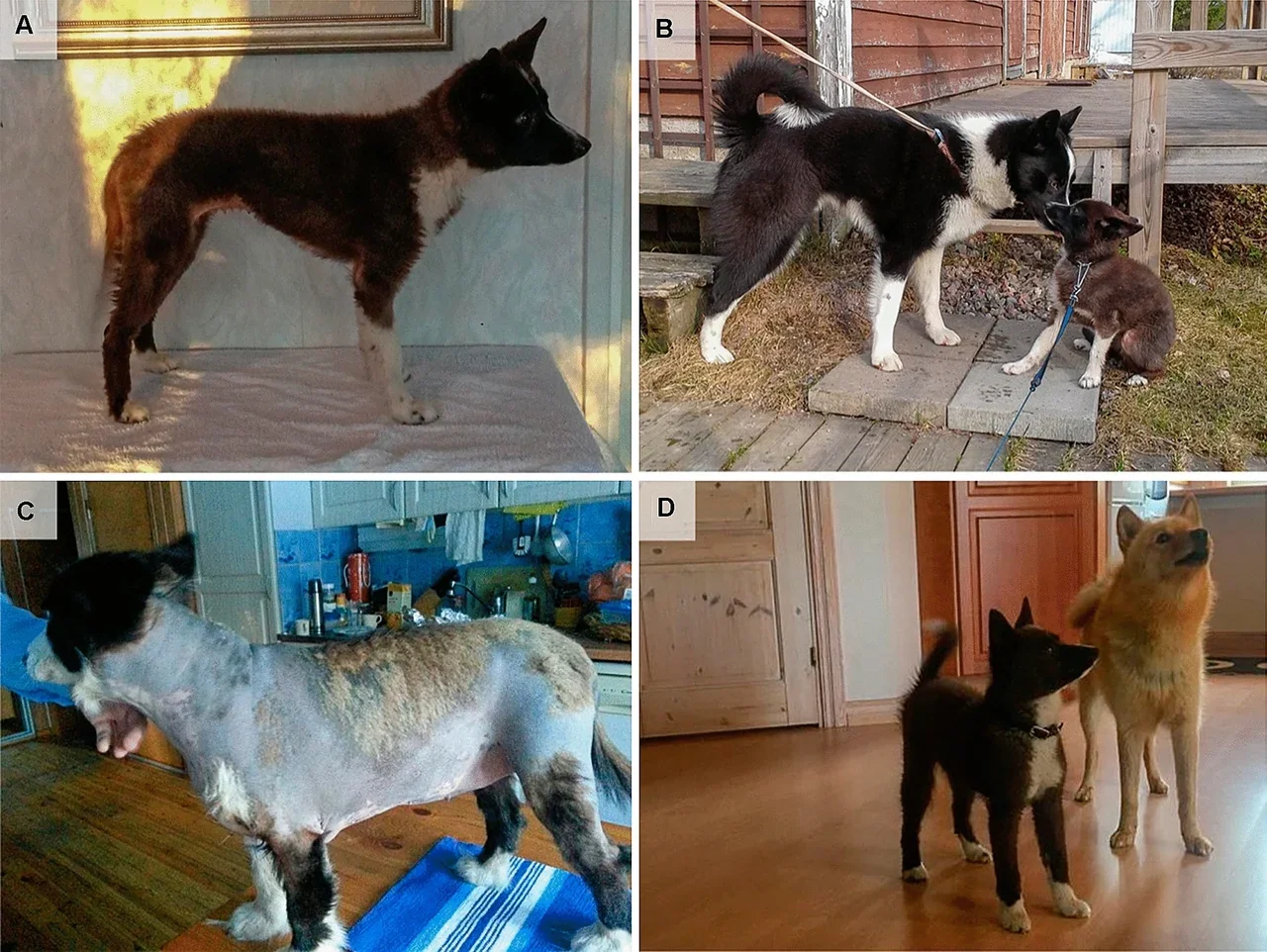
Karelian Bear Dogs affected by canine pituitary dwarfism, showing physical effects of pituitary dysfunction. a) An affected female KBD (case 1) at the age of 9 months. b) An affected female dog (case 1) and an unaffected male littermate at 10 months. c) An adult affected female KBD (case 2) showing severe hair loss. d) An affected KBD puppy from the Swedish litter at the age of 6 months was pictured with a dog from another breed. (Kaisa Kyöstilä et al., Human Genetics, 2021) Kaisa Kyöstilä, Julia E. Niskanen, Meharji Arumilli, Jonas Donner, Marjo K. Hytönen & Hannes Lohi · CC BY 4.0. Web size optimized; original linked.
How Cortisol Feedback Works in Dogs
When the adrenal glands release cortisol, that hormone feeds back to the pituitary corticotroph cells. The result is decreased ACTH secretion, which in turn lowers cortisol production temporarily.
The supplied research confirms that in healthy dogs, pituitary corticotroph cells release ACTH, which stimulates cortisol release from the adrenal glands. Cortisol then feeds back to decrease ACTH secretion.
One study found that physiological increases in plasma corticosteroids suppressed both basal and hypoglycemia-stimulated ACTH levels two hours later in conscious dogs. The magnitude of inhibition was similar whether the corticosteroid increase came from ACTH infusion or direct corticosteroid infusion.
When Feedback Loops Are Disrupted
The evidence states that endocrine diseases can arise when a gland overproduces hormone and does not respond normally to feedback signals.
In the most common form of pituitary-dependent hyperadrenocorticism in dogs, corticotroph adenoma cells show relative or total resistance to cortisol negative feedback. This resistance is the basis for dexamethasone suppression testing, although the exact mechanism remains unknown.
The study noted that approximately half-maximal increases in plasma corticosteroids significantly inhibited basal and stimulated ACTH in the dogs tested, with maximal inhibition after maximal increases. These observations were recorded under specific experimental conditions.
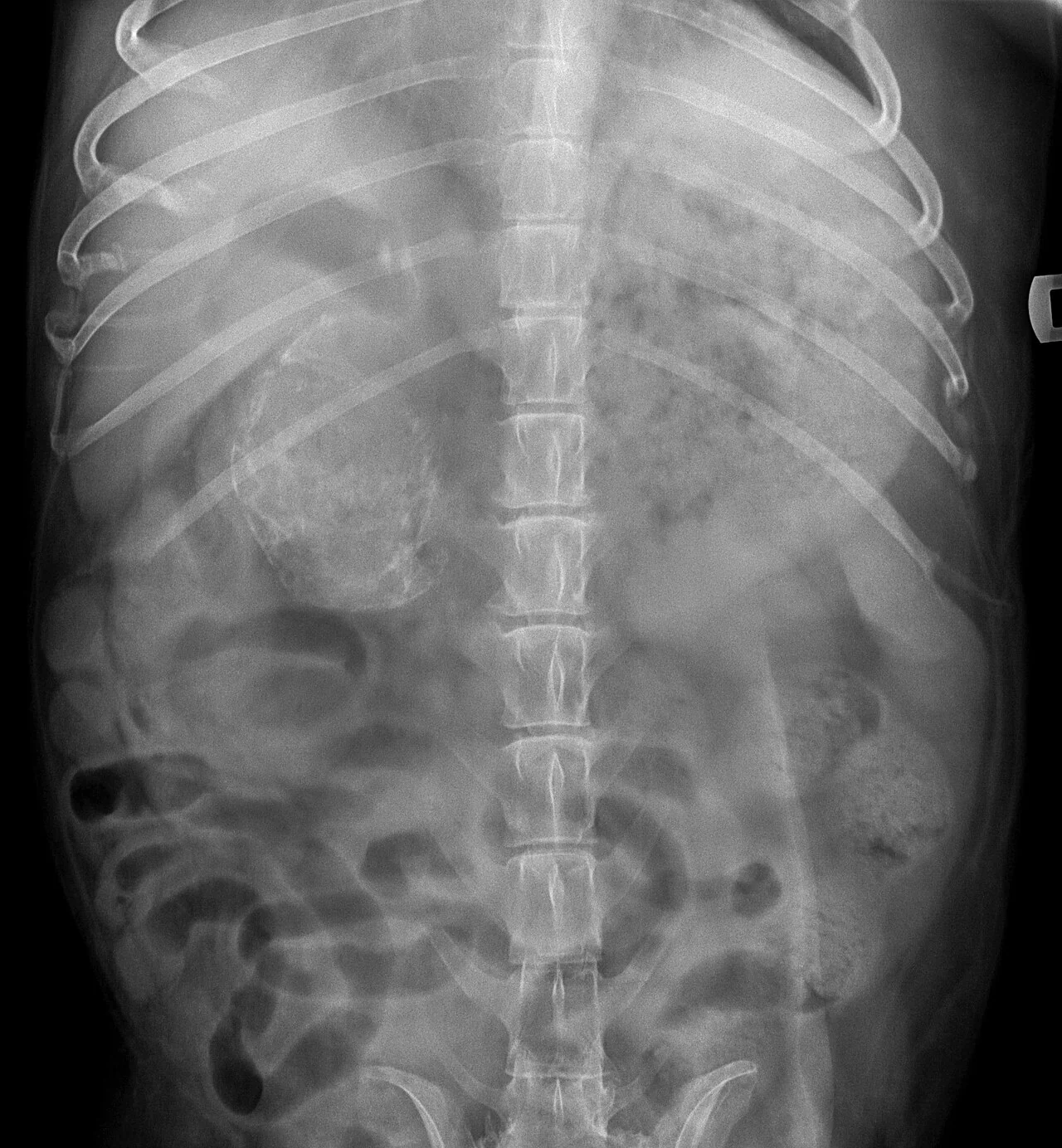
X-ray of a dog showing calcification caused by carcinoma of the right adrenal gland Kalumet · CC BY-SA 4.0. Web size optimized; original linked.
Broader Context of Endocrine Regulation
Negative feedback is described as central to the control of hormonal pathways and to the evaluation of endocrine function tests in animals including dogs.
Feedback mechanisms for some hormones, such as growth hormone, are more complex and involve metabolites like IGF-1 rather than solely target gland hormones.
The Merck Veterinary Manual materials emphasize that these control systems help maintain balance across the endocrine network.
Practical Takeaways for Dog Owners
Changes in thirst, appetite, energy, or coat can sometimes point to shifts in how these loops are working. The reviewed sources do not offer specific diagnostic advice or signs, but they note that veterinarians use blood tests and other evaluations to assess endocrine function.
The evidence supports the idea that healthy feedback keeps hormone levels from staying too high or too low. When patterns change, sharing observations with a veterinarian remains the recommended step rather than attempting to interpret the loops at home.
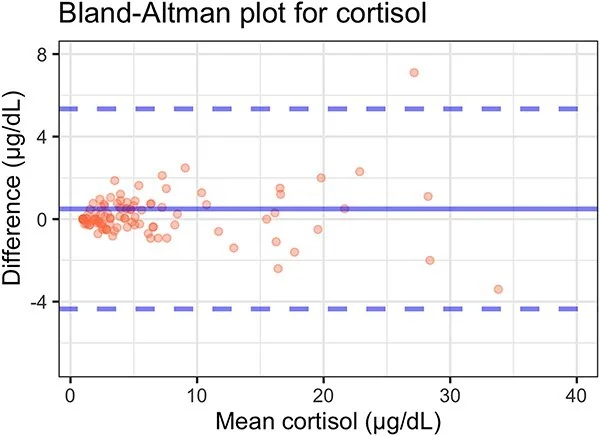
Bland–Altman analysis of serum cortisol concentration measured using the Siemens Immulite 2000 standard cortisol assay compared with the Siemens Immulite 2000 veterinary cortisol assay in 105 serum samples from dogs. Oikonomidis IL, Attipa C, Iseberi A, Chatzistylianou M, Tsouloufi TK. · CC BY 4.0. Web size optimized; original linked.
General education, not individual veterinary advice. Ask a veterinarian about your dog’s health and care.
AI-assisted original writing. This feature was revised against source material and checked for unsupported claims. Follow the references below for evidence and its limits.
Research shows canine cognition follows a clear arc of early gains, midlife peak, and later gentle decline, offering owners practical ways to support their pets at every age.
Protected command centers in the brain and spinal cord team up with far-reaching nerves that connect to muscles, skin, and organs, letting dogs react to scents, sounds, and sudden surprises.
 Reference image