How Dogs Use Panting and Blood Flow to Manage Heat
Dogs rely on respiratory evaporation and vascular tricks rather than widespread sweating, and owners can use this knowledge to spot when conditions become risky.
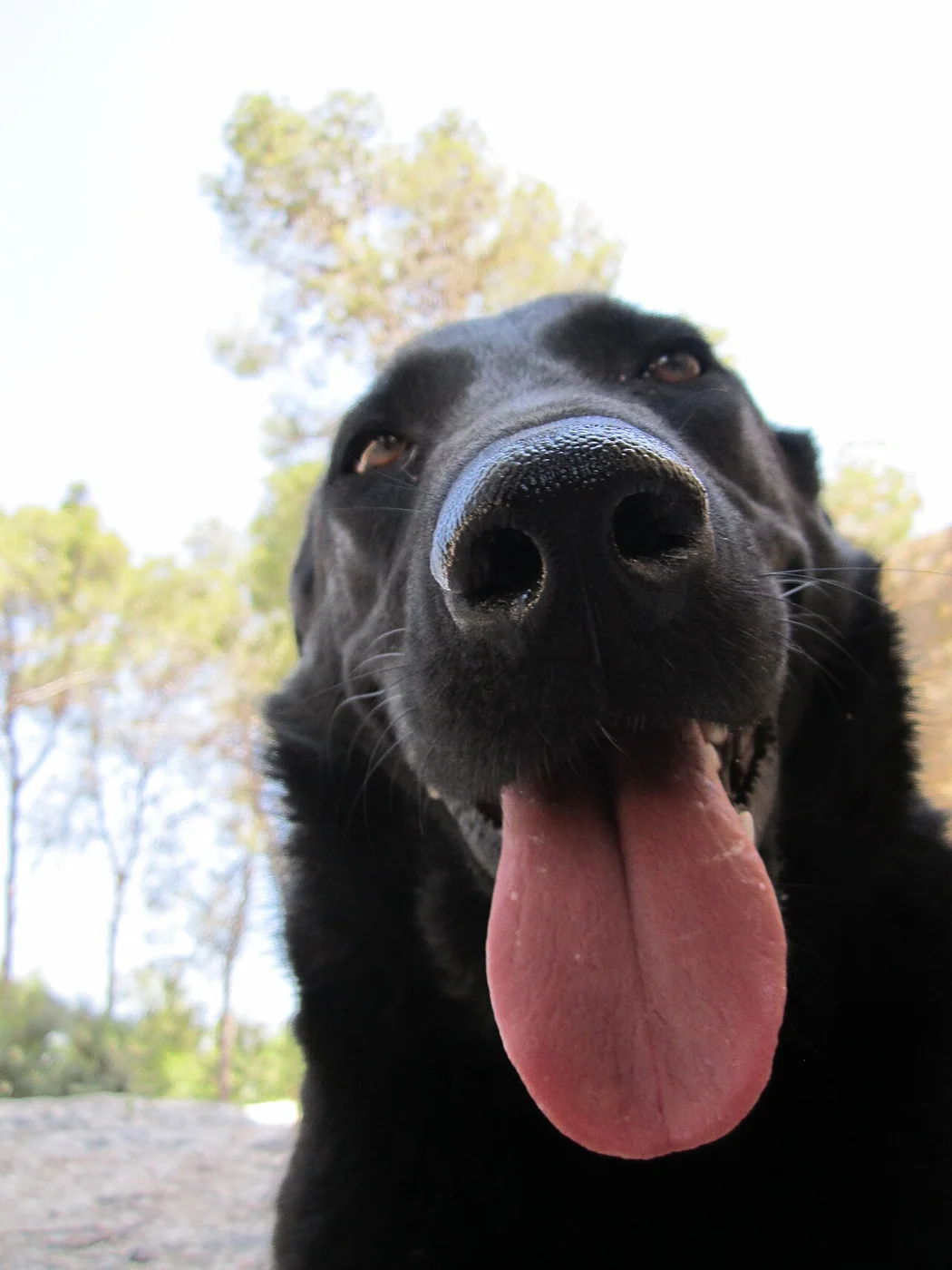
Black Labrador Retriever Panting אליעד מלין · CC BY-SA 4.0 · Web size optimized; source linked for the original.
Dogs maintain a stable internal temperature through panting, specialized blood circulation, and simple behaviors. Unlike people, they have few sweat glands and depend mainly on evaporative cooling from the mouth and nose. The supplied research shows this system works well under many conditions but can be strained by humidity, exercise, or certain physical traits. Understanding the basics helps owners notice early signs of trouble without replacing veterinary advice.
Panting as the Main Cooling Method
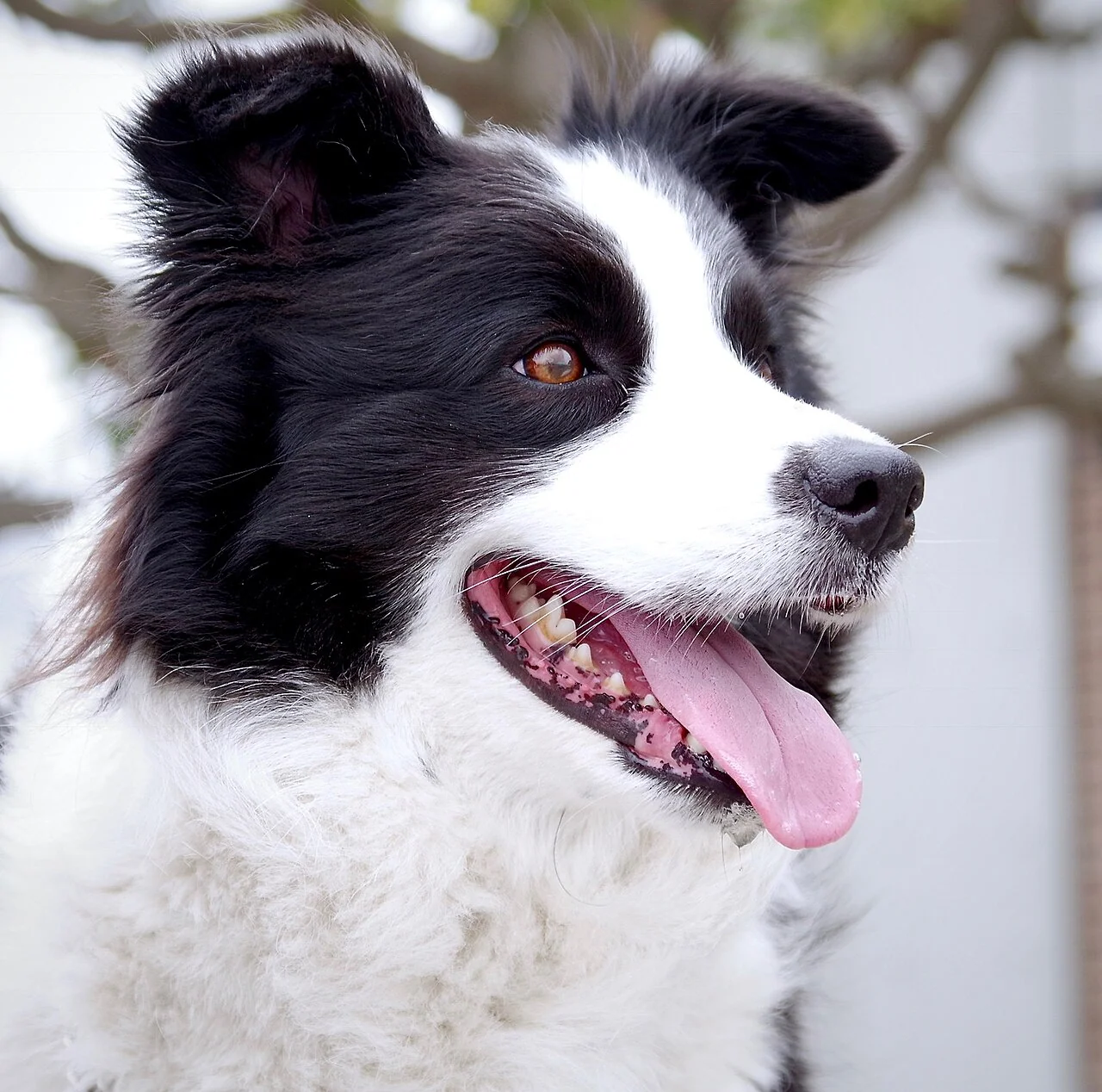
Dogs pant to lose heat. They move air rapidly over moist surfaces in the mouth, tongue, and upper airways. As water evaporates from these surfaces, it carries heat away. The supplied studies note that this respiratory evaporative cooling is as effective per milliliter of water lost as human sweating, yet it requires extra effort that itself produces some heat.
Panting uses very low tidal volumes at high respiratory rates. This approach increases fresh air flow across mucosal surfaces while limiting changes to deeper lung gas exchange. One study observed that dogs can dramatically raise their breathing rate during heat stress. Brachycephalic dogs, those with shorter muzzles, showed a greater increase in respiratory rate than nonbrachycephalic dogs under the same conditions.
The process works best in drier air. Higher humidity slows evaporation, making the environment feel more stressful for the dog. Owners may see their pets seek shade or cool surfaces as a way to reduce the need for heavy panting.
A countercurrent heat exchange system helps manage temperature in key areas. In exercising dogs, warm arterial blood heading to the brain passes near cooler venous blood returning from the nose and mouth. This exchange can keep brain temperature about 1.3 degrees Celsius below the temperature of blood in the carotid artery.
The mechanism relies on a rudimentary carotid rete at the base of the brain. It becomes most active when panting peaks during exercise. The research describes this as a selective brain cooling process that offers protection during thermal stress.
Blood vessels in the ears, tongue, and paws also adjust flow. Dilation sends more blood toward the surface for heat loss, while constriction helps retain warmth in colder settings. These vascular networks complement the evaporative work of panting.
When Temperature and Humidity Limit Cooling
At air temperatures below roughly 32 degrees Celsius, more than 70 percent of a dog’s heat loss occurs through radiation and convection. As ambient temperature nears the dog’s core temperature, evaporative cooling through panting takes over as the primary route.
Evaporative cooling loses efficiency at higher relative humidities. The studies emphasize that panting effort, body condition, exercise intensity, and individual behavior all affect how well a dog handles heat. Core temperatures above 41 degrees Celsius can appear during intense activity in some working dogs without immediate harm, yet they signal a risk that thermoregulation could break down.
Brachycephalic conformation and higher body condition score both influence heat tolerance. One report found that body condition score had a larger effect on body temperature than breed type alone, though both factors matter.
Border Collie panting in summer heat at a dog run in Yokohama, Japan IketaniDaisei · CC BY-SA 4.0. Web size optimized; original linked.
Physical Traits That Shape Heat Tolerance
Body type, coat, and airway structure create differences in how individual dogs manage temperature. Dogs with shorter muzzles face extra challenges because narrowed airways can limit efficient panting. the cited source material links this anatomy to greater respiratory effort during heat stress.
Body condition also plays a clear role. Research indicates that higher body condition scores are associated with less favorable body temperature responses compared with leaner dogs under heat load.
These variations mean a single rule does not fit every animal. Close observation of each dog’s breathing, posture, and energy level remains the most practical guide for owners.
Simple Steps Owners Can Take
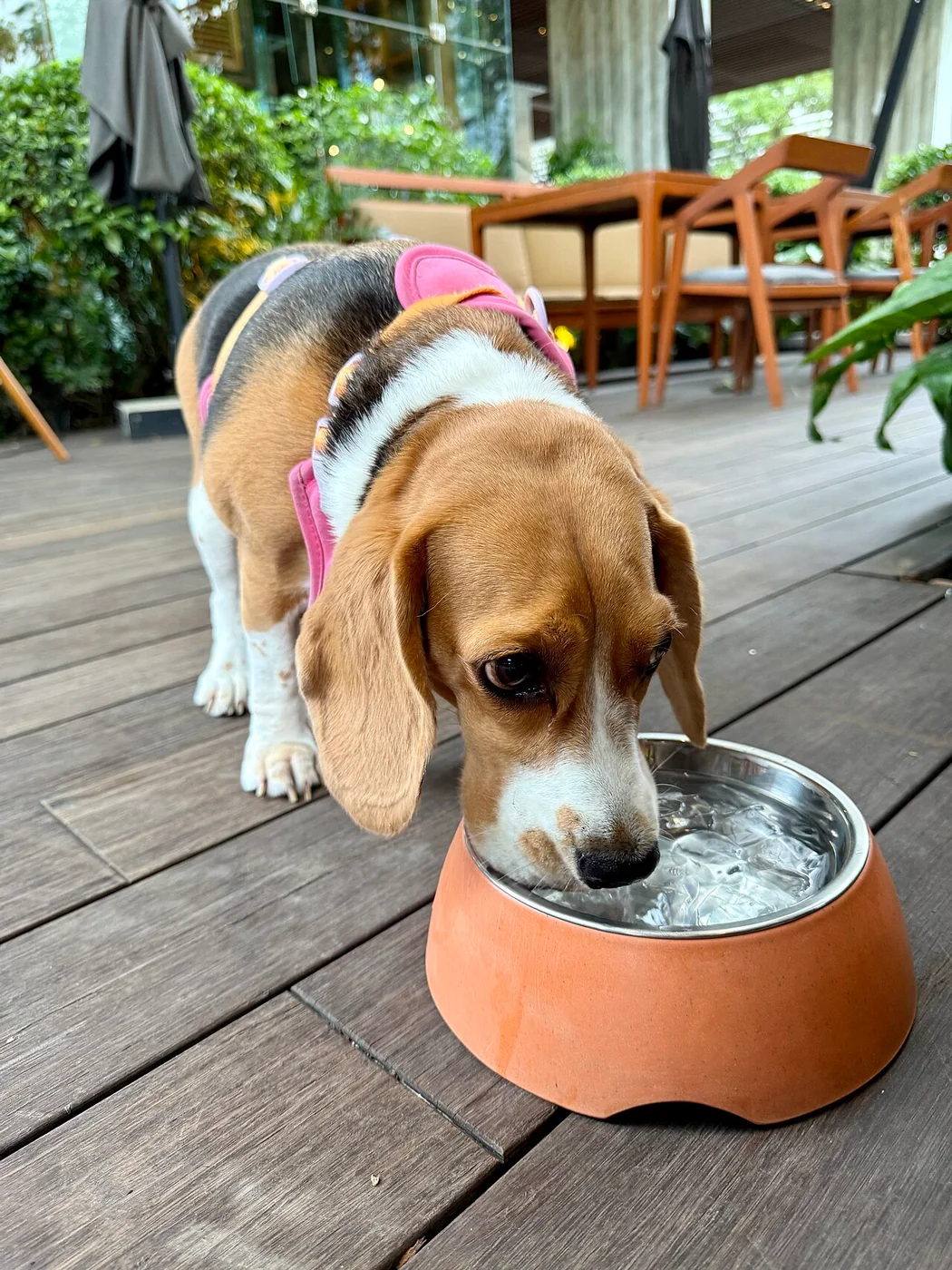
Providing constant access to fresh water supports the fluid lost during panting. Avoiding strenuous activity in hot, humid conditions reduces the load on the cooling system. Offering shade, limiting time on hot pavement, and watching for excessive panting or lethargy give practical ways to stay within safer ranges.
The research underscores that core temperature readings should always be interpreted alongside panting effort, body condition, and the type of activity. When in doubt, moving the dog to a cooler area or contacting a veterinarian protects welfare without guesswork.
These insights come directly from veterinary studies focused on healthy dogs and working breeds. They highlight an elegant but limited system that rewards thoughtful human partnership.
Documentary photograph of a beagle drinking water from a bowl (2025). Slyronit · CC BY-SA 4.0. Web size optimized; original linked.
General education, not individual veterinary advice. Ask a veterinarian about your dog’s health and care.
AI-assisted original writing. This feature was revised against source material and checked for unsupported claims. Follow the references below for evidence and its limits.
Research shows canine cognition follows a clear arc of early gains, midlife peak, and later gentle decline, offering owners practical ways to support their pets at every age.
Protected command centers in the brain and spinal cord team up with far-reaching nerves that connect to muscles, skin, and organs, letting dogs react to scents, sounds, and sudden surprises.
 Reference image