Army Capt. Renee Anderson, station veterinarian at Yuma Proving Ground, gives an American Eskimo dog a Parvo/Temper vaccination at a station vaccination clinic, 2012. (U.S. Army photo) Source collection · Public domain · Web size optimized; source linked for the original.
Dogs explore their world with enthusiasm, but they also encounter viruses and bacteria that can cause serious illness. Core vaccines, recommended by veterinary organizations, introduce modified forms of these threats to help a dog’s immune system learn to recognize and fight them safely. Evidence from established guidelines shows this process relies on familiar immunological principles. The result is targeted protection that supports a dog’s health without causing the diseases the vaccines prevent.
The Immune System’s Natural Response
A dog’s immune system constantly scans for foreign substances known as antigens. When it detects them, white blood cells called lymphocytes respond by producing antibodies that help neutralize the threat. After the first encounter, memory cells remain ready to react more quickly if the same antigen appears again.
Puppies initially receive temporary protection through maternal antibodies passed in their mother’s colostrum. These antibodies gradually decline during the first few months of life. This creates a period when vaccination becomes important to help the puppy develop its own active immunity. Guidelines note that the timing of vaccines must account for the presence of these maternal antibodies.
A Bernese Mountain Dog and Newfoundland crossbreed mother nurses four of her puppies outdoors in a peaceful yard in County Meath, Ireland. Sharon Byrne Photography · CC BY-SA 4.0. Web size optimized; original linked.
What Core Vaccines Target
Core vaccines for dogs are those directed against canine distemper virus (CDV), canine parvovirus type 2 (CPV-2), and canine adenovirus-2 (CAV-2). Rabies vaccination is also required in many places. These are considered essential because they address severe, life-threatening diseases that all dogs should be protected against regardless of lifestyle or location.
The vaccines introduce antigens in modified forms—either weakened live versions or inactivated ones—to stimulate an immune response without causing illness. Evidence shows that properly administered modified-live vaccines for these diseases can trigger immunity within days in dogs that do not have interfering maternal antibodies and are not severely immunosuppressed.
How Quickly Protection Develops
Modified-live vaccines against CDV, CPV-2, and CAV-2 can begin stimulating an immune response within minutes to hours in suitable dogs. Protection against CPV-2 often develops after as few as three days and usually by five days with an effective modified-live vaccine. In contrast, killed vaccines for CPV-2 typically require two to three weeks or longer to achieve similar effects.
When given correctly, these vaccines lead to at least 98 percent protection from disease in dogs without interfering maternal antibodies. Serum antibody titers can help assess immunity to CDV, CPV-2, and CAV-1 (which is cross-protected by CAV-2 vaccination), though their usefulness varies for other vaccines.
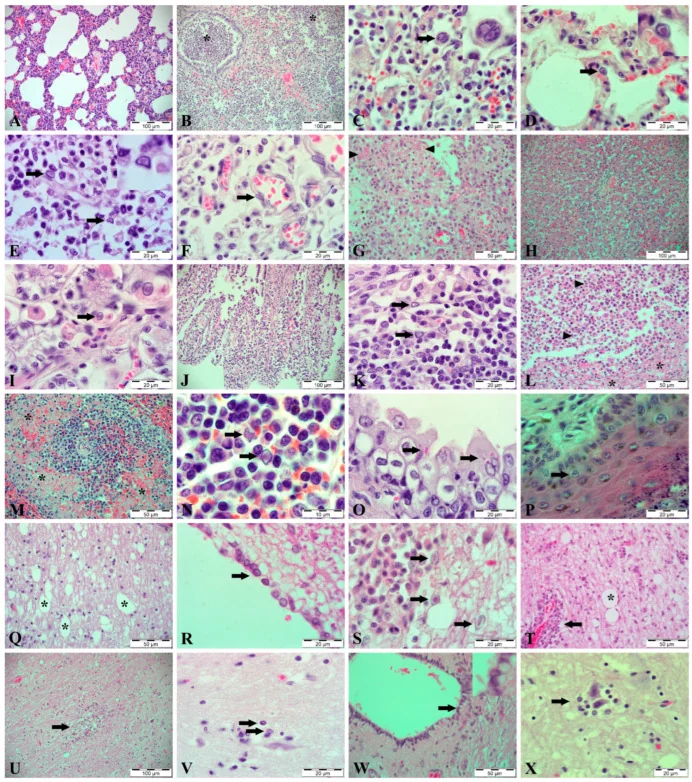
H&E images of CDV-infected dogs showing interstitial pneumonia, neutrophilic infiltrations, syncytial giant cells, and intranuclear inclusion bodies in lung and lymph node tissues. Nuhoğlu H, Beytut E. · CC BY 4.0. Web size optimized; original linked.
Factors That Influence Immune Response
The strength of the antibody response can vary. Smaller dogs tend to develop significantly higher antibody titers against CPV-2 and CDV than larger dogs. Maternal antibodies from the mother’s colostrum are very effective at blocking a puppy’s own antibody production, which is why vaccination series usually begin no earlier than six weeks of age and continue until around 16 weeks.
These variables highlight why veterinary guidance emphasizes individualized plans rather than a single schedule for every dog.
Working With a Veterinarian
Veterinarians use guidelines from organizations such as the World Small Animal Veterinary Association to tailor vaccination plans to a dog’s specific health history, age, and environment. Regular check-ups allow discussion of when boosters may be needed and whether antibody titer testing could provide useful information.
Vaccination forms one part of broader preventive care that includes nutrition and parasite control. Owners can help by keeping accurate records and reporting any health changes promptly. The established approach balances effective protection with careful timing to support a dog’s long-term well-being.
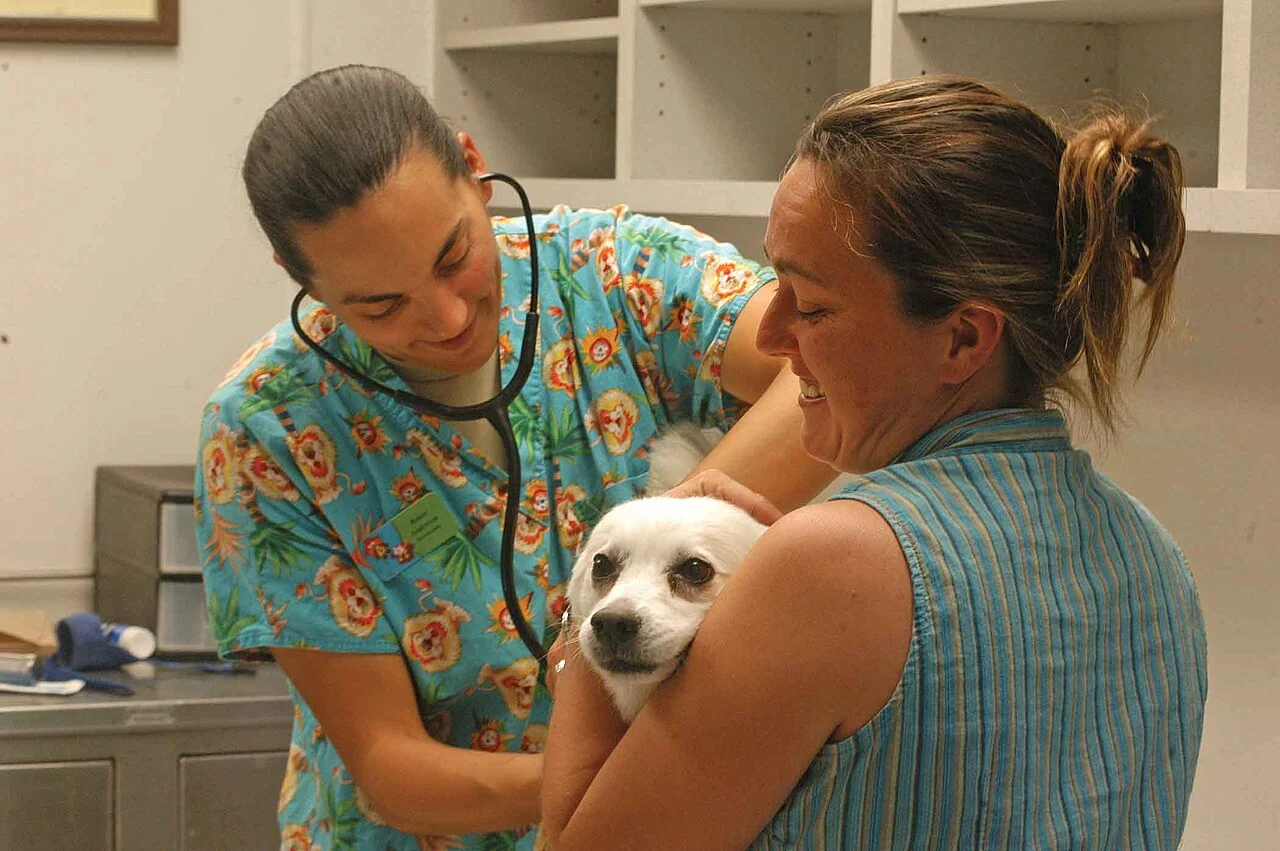
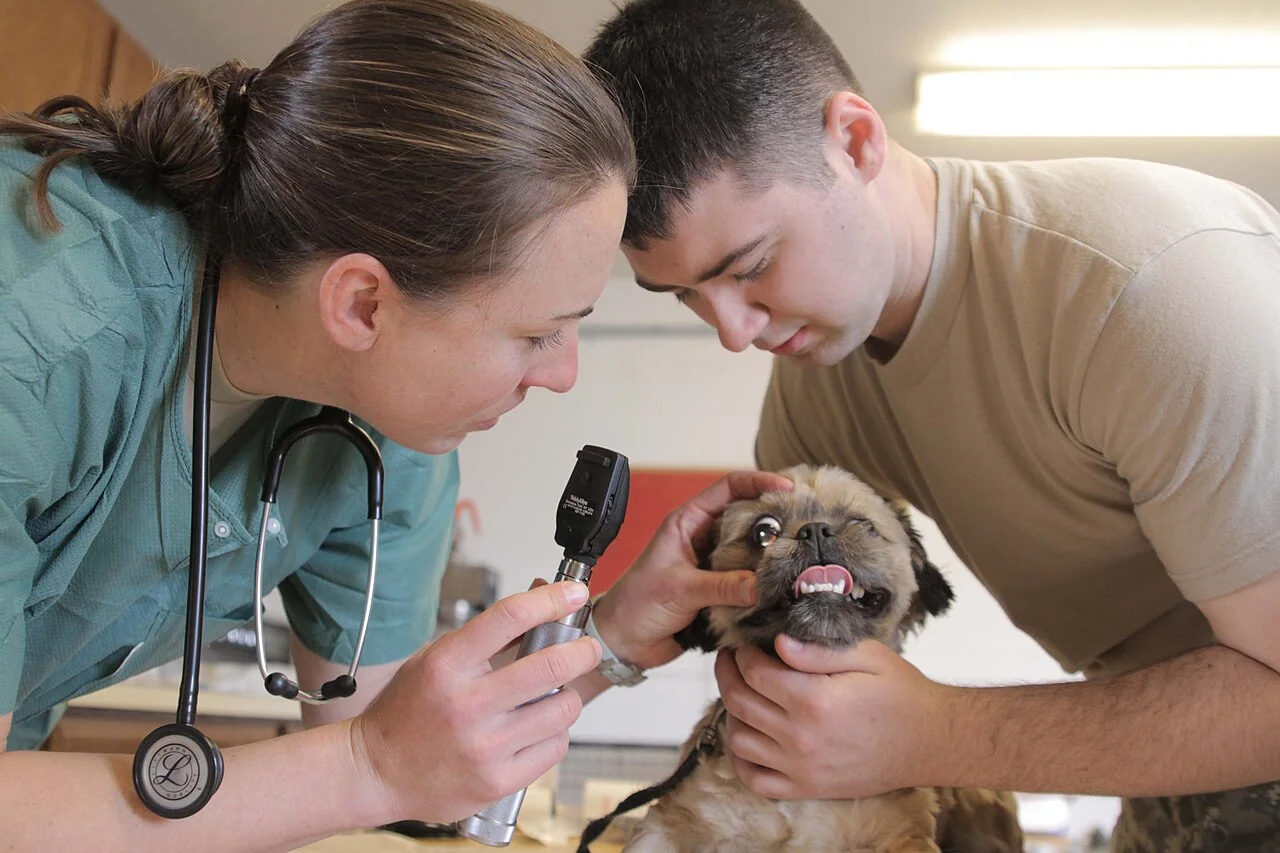
Veterinarian performing an examination on a small dog during a checkup Army Medicine · CC BY 2.0. Web size optimized; original linked.
General education, not individual veterinary advice. Ask a veterinarian about your dog’s health and care.
AI-assisted original writing. This feature was revised against source material and checked for unsupported claims. Follow the references below for evidence and its limits.
Research shows canine cognition follows a clear arc of early gains, midlife peak, and later gentle decline, offering owners practical ways to support their pets at every age.
Protected command centers in the brain and spinal cord team up with far-reaching nerves that connect to muscles, skin, and organs, letting dogs react to scents, sounds, and sudden surprises.

 Reference image