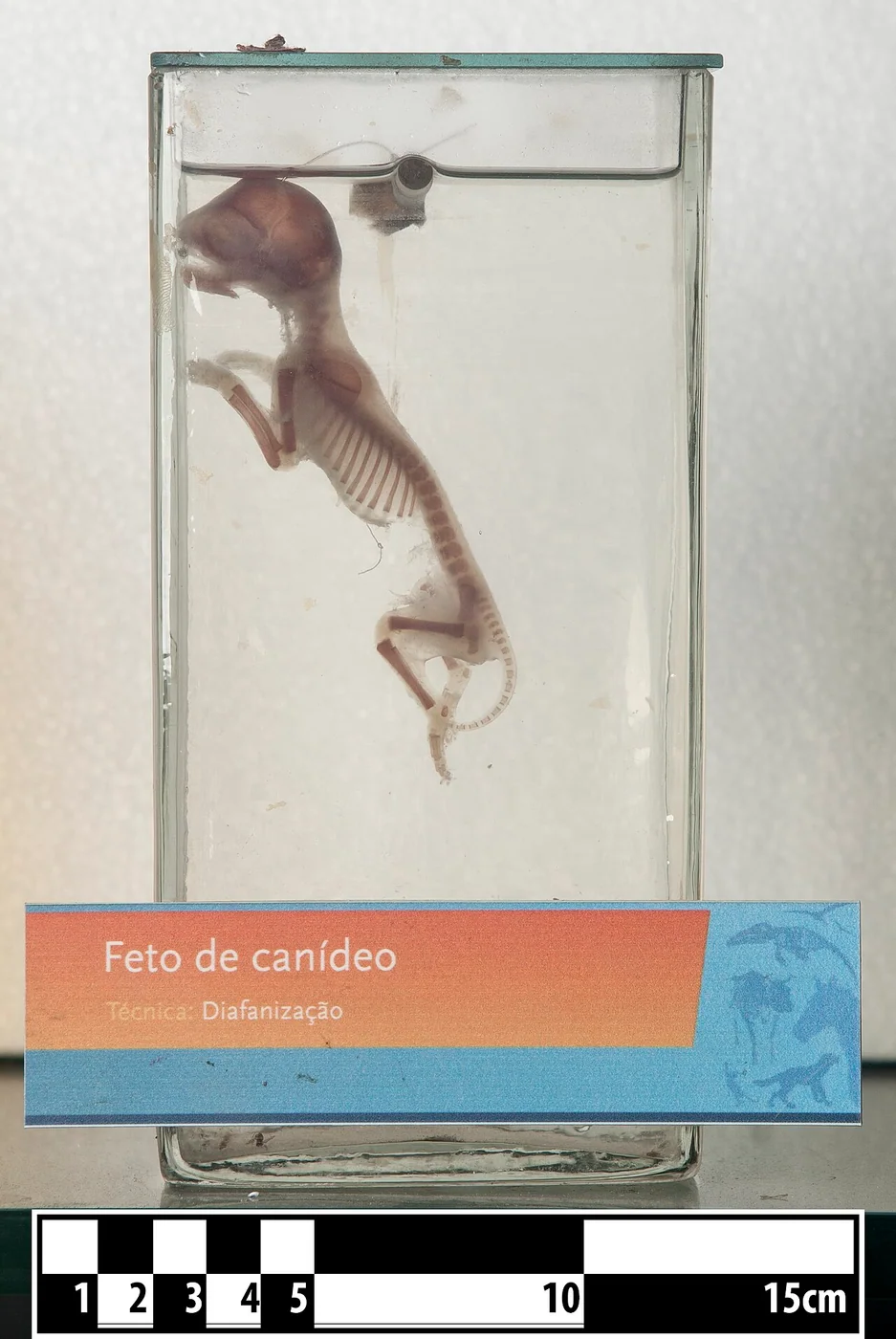
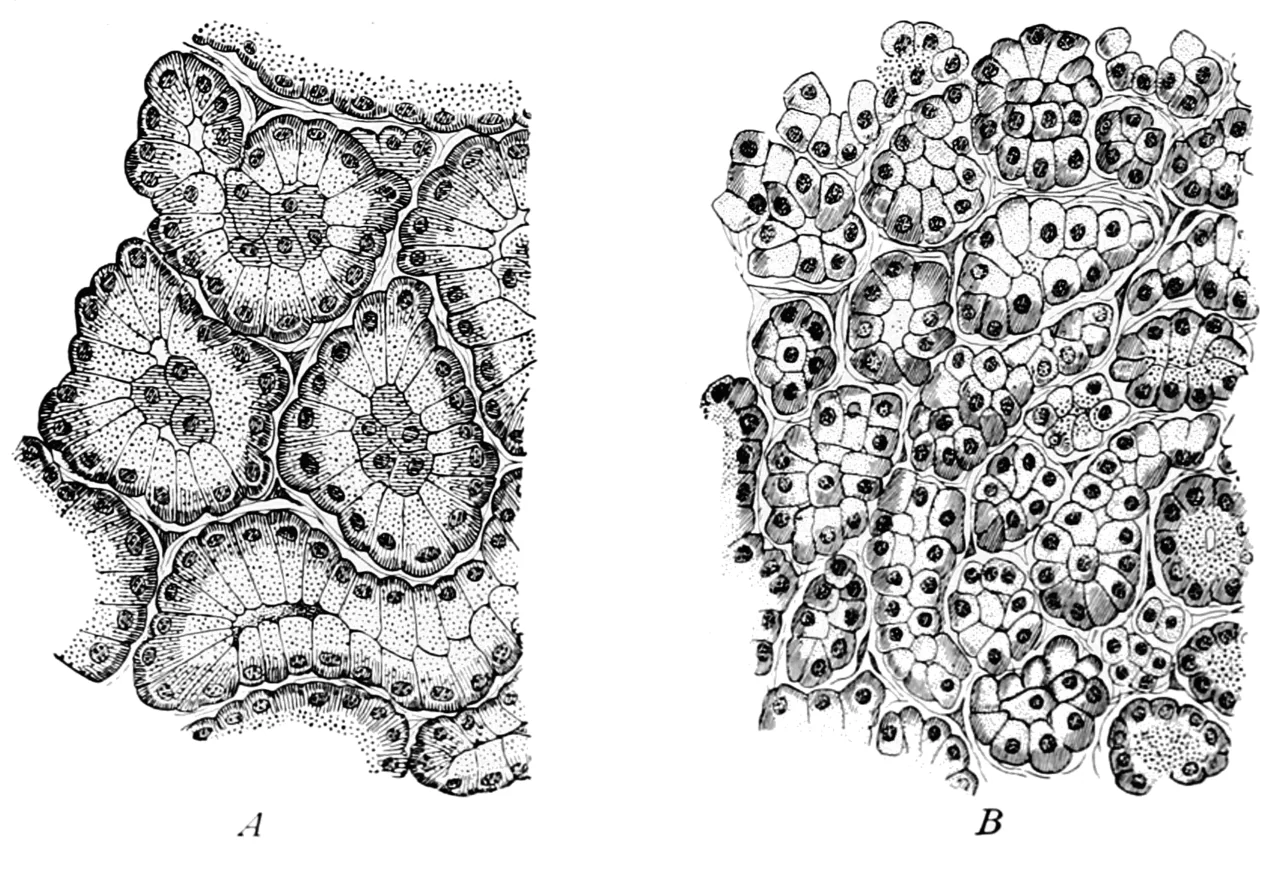
Pancreatic gland of a dog prior to and after prolonged secretion (1907) Unknown authorUnknown author · Public domain · Web size optimized; source linked for the original.
When a dog races across the yard or settles for a nap, its body draws on glucose for fuel and then returns blood sugar to a normal range. This steady balance depends on the pancreas, an organ located behind the stomach. Inside it, small groups of cells called islets detect changes in glucose and release hormones that either lower or raise blood sugar. Other hormones from outside the pancreas also help during stress or fasting. Veterinary sources describe these processes as a coordinated system that works without the dog’s awareness. Any concerns about a dog’s health should be discussed with a licensed veterinarian.
The Pancreas and Its Islet Cells
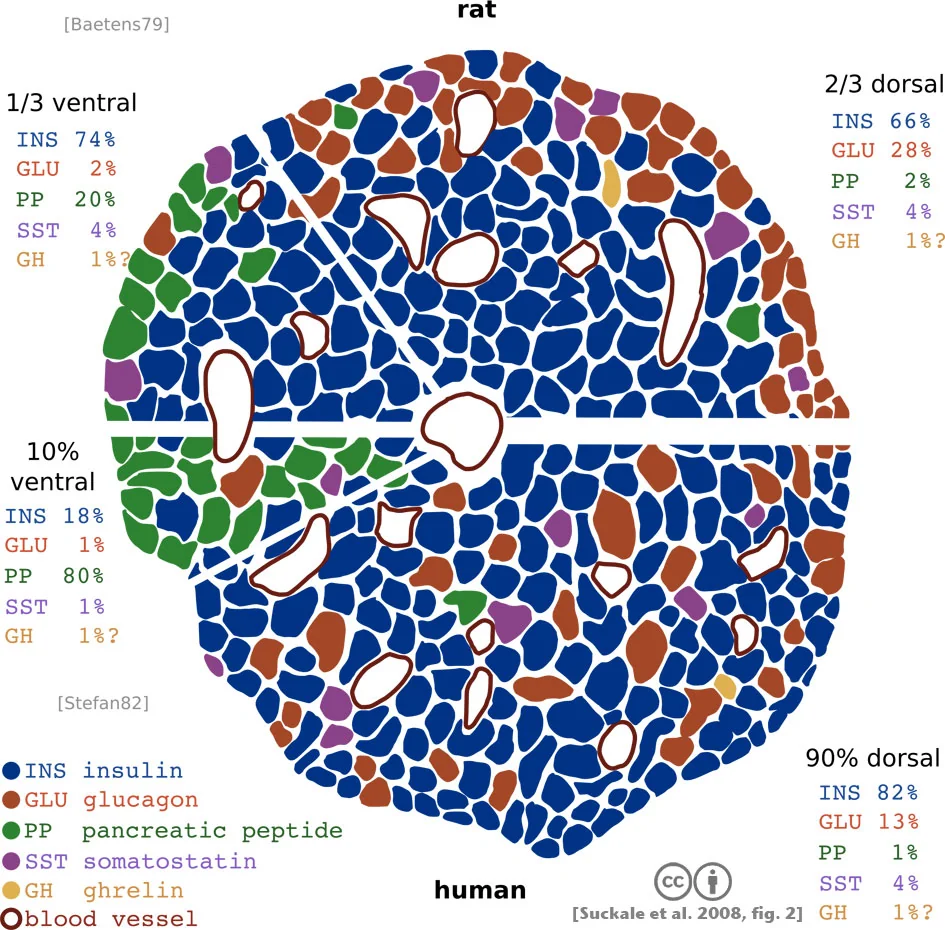
A dog’s pancreas has both exocrine tissue that releases digestive enzymes into the intestine and endocrine tissue that includes the islets. These islets contain several types of cells. Beta cells produce insulin. Alpha cells produce glucagon. In non-diabetic dogs, beta cells make up roughly 75 to 78 percent of the islet endocrine area and are located toward the center, while alpha cells account for about 11 percent.
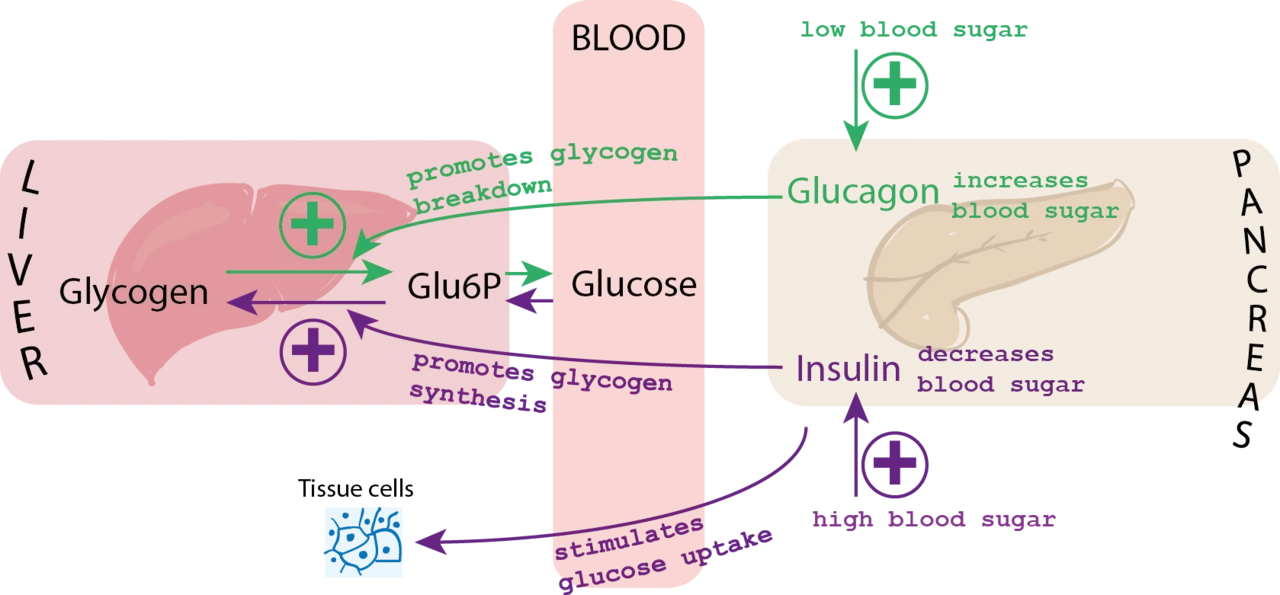
The islets act as glucose sensors. When blood glucose rises after a meal, the islets respond. Insulin and glucagon work together to keep blood glucose within narrow limits. Insulin lowers blood glucose by slowing the production of new glucose, slowing the breakdown of stored glycogen, and promoting the storage of glucose as glycogen.
Schematic of cellular composition of pancreatic islets showing insulin, glucagon, and other hormone-producing cells (2007) Jakob Suckale, Michele Solimena · CC BY 3.0. Web size optimized; original linked.
How Insulin Lowers Blood Glucose
After carbohydrates are broken down and enter the blood as glucose, beta cells in the islets release insulin. Insulin allows glucose to move from the bloodstream into muscle and fat cells for immediate use or storage. It also reduces the breakdown of fats and the production of ketones.
In healthy dogs this response helps prevent blood glucose from climbing too high. The system is rapid because the islets have a rich blood supply that lets them sample glucose levels frequently.
Glucagon and Other Hormones That Raise Blood Glucose
When blood glucose falls, alpha cells release glucagon. Glucagon signals the liver to break down stored glycogen and release glucose into the blood. It also promotes the creation of new glucose from other substances and the breakdown of fats.
Additional hormones outside the pancreas, including epinephrine from the adrenal glands and cortisol, can also raise blood glucose. These hormones are part of the counter-regulatory system that helps maintain balance during exercise, stress, or when a dog has not eaten recently. In one study of dogs with naturally occurring diabetes, serum glucagon was significantly higher than in healthy dogs, while insulin, cortisol, epinephrine, and norepinephrine levels did not differ significantly between the groups.
Blood glucose control: glucagon released when blood sugar is low to stimulate glycogen breakdown in the liver (2013) C. Muessig · CC BY-SA 3.0. Web size optimized; original linked.
What Happens in Obese Dogs
Obese dogs can develop insulin resistance. Research using glucose tolerance tests found that, unlike in humans or cats, obese dogs compensated for this resistance by increasing insulin secretion while still preserving first-phase insulin release and beta-cell sensitivity to glucose.
This finding shows that the canine system can adapt in some situations, although the exact mechanisms continue to be studied.
Why This Matters for Dog Owners
The coordinated action of islet cells and counter-regulatory hormones supports a dog’s ability to play hard and rest easily. The system evolved to handle periods of feasting and fasting. Learning about it can increase appreciation for a dog’s physiology.
This information is for understanding only. Changes in thirst, appetite, weight, or energy level can signal a problem. Owners should consult a veterinarian rather than attempt to interpret or manage hormone balance themselves. Veterinary sources consistently direct health questions to trained professionals.
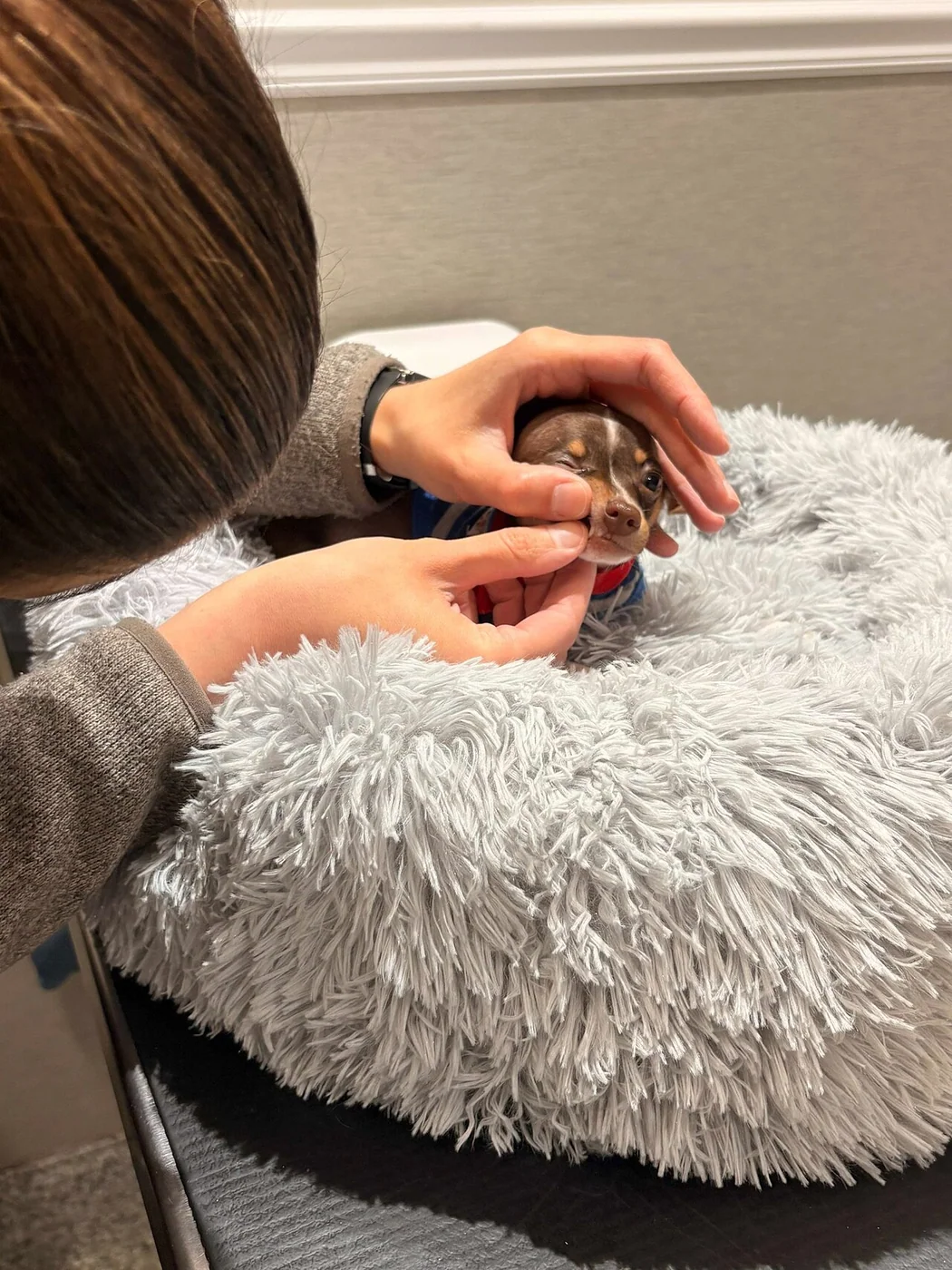
A small brown dog rests in a padded bed on an examination table while a person's hands support and inspect its face at a veterinary clinic in Newark, New Jersey. Veterinarian Pet Alliance · CC BY 4.0. Web size optimized; original linked.
General education, not individual veterinary advice. Ask a veterinarian about your dog’s health and care.
AI-assisted original writing. This feature was revised against source material and checked for unsupported claims. Follow the references below for evidence and its limits.
Research shows canine cognition follows a clear arc of early gains, midlife peak, and later gentle decline, offering owners practical ways to support their pets at every age.
Protected command centers in the brain and spinal cord team up with far-reaching nerves that connect to muscles, skin, and organs, letting dogs react to scents, sounds, and sudden surprises.
 Reference image