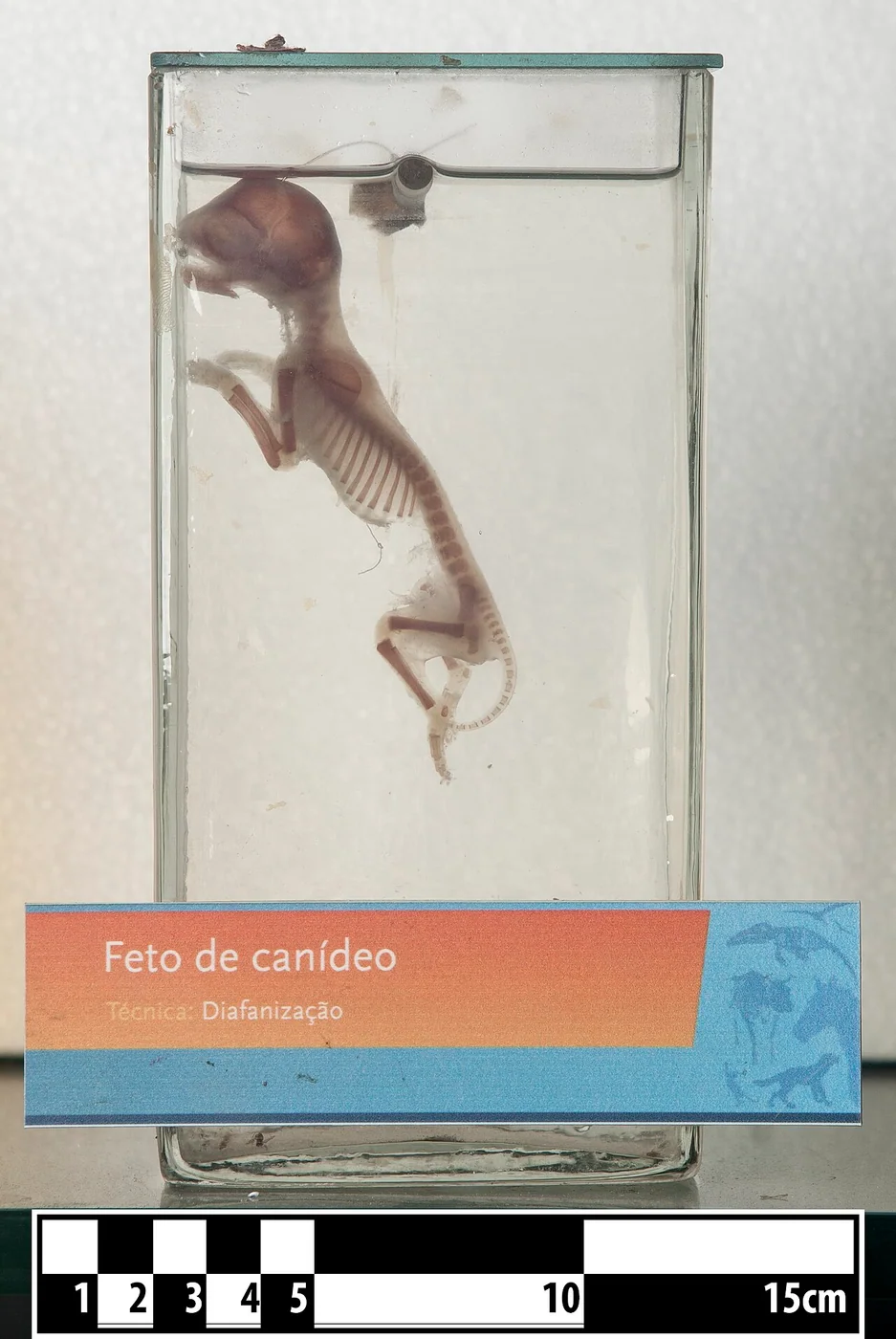
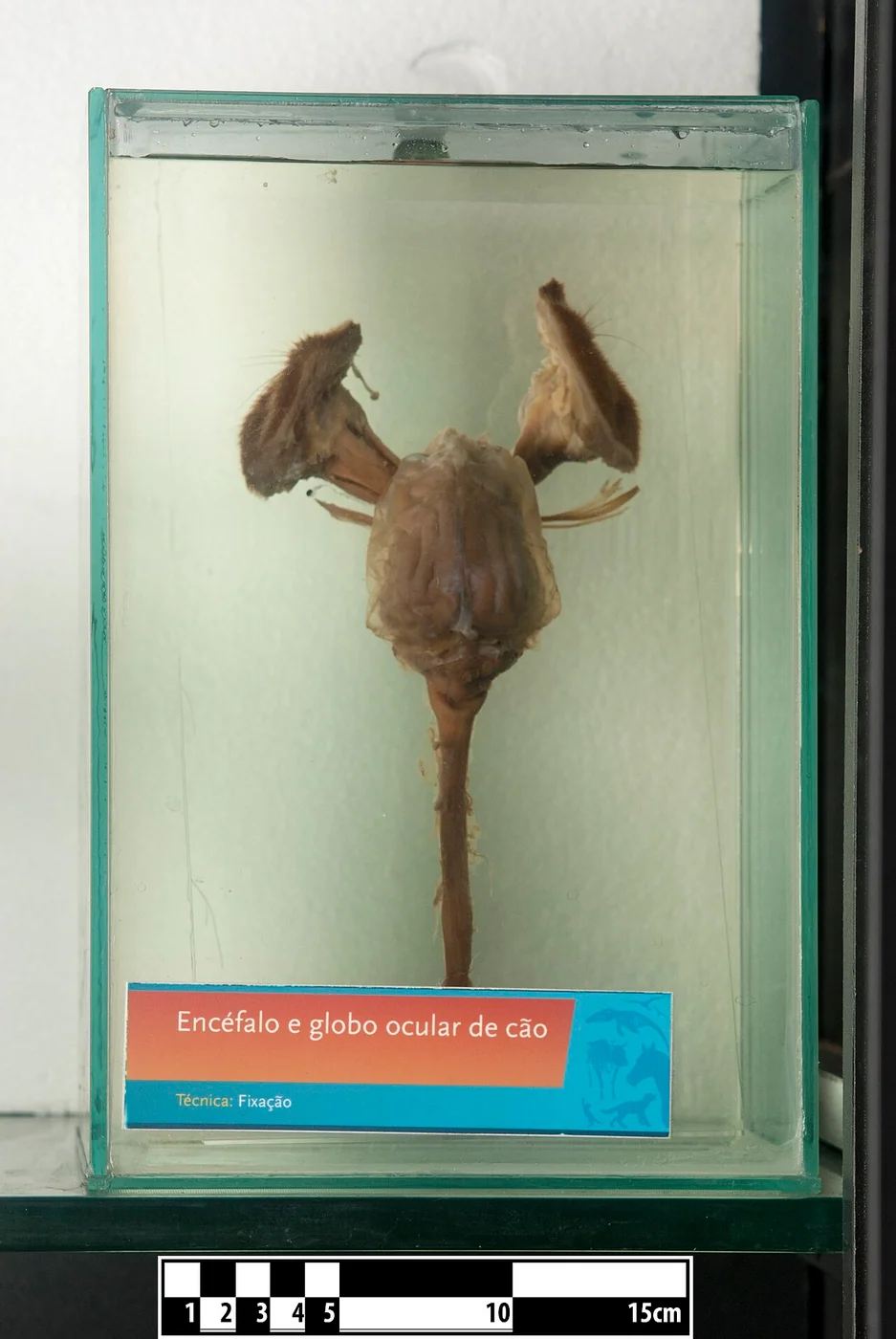
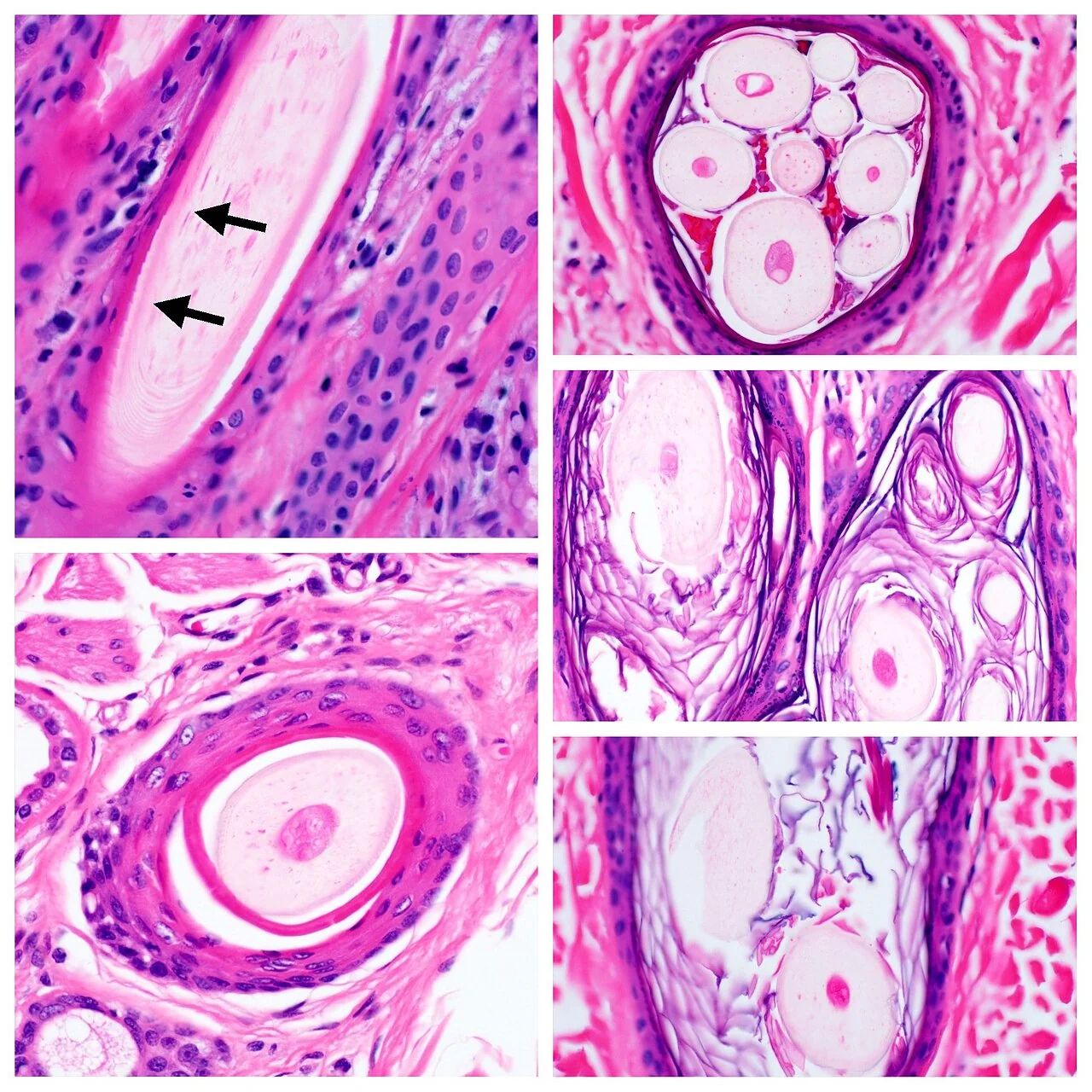
Microscopic view of canine hair shafts emerging from skin, illustrating the physical barrier of the epidermis and hair follicles. Documentary photo of histologic features. Atlas of Medical Foreign Bodies · CC BY-SA 2.0 · Web size optimized; source linked for the original.
A dog’s immune system operates as a layered defense that combines instant reactions with learned precision. Physical barriers and rapid-response cells handle many everyday threats, while specialized lymphocytes learn from encounters and remember them for the future. Evidence from scientific reviews shows that these systems share broad similarities with those of other mammals yet exhibit variations across life stages and breeds. Knowledge in this area remains limited and is drawn largely from comparative studies. Veterinary professionals remain the appropriate resource for any specific health questions about a dog.
Physical Barriers and the Innate Response
The canine immune system begins with physical barriers such as skin and mucous membranes that help prevent microorganisms from entering the body. Chemical defenses including tears, saliva, and stomach acid add further protection.
When invaders do breach these lines, the innate immune system activates quickly. Neutrophils and macrophages recognize common molecular patterns shared by many microorganisms through pre-existing receptors. These cells can engulf and destroy invaders via phagocytosis.
The innate response also includes inflammation, complement activation, and the release of signaling molecules. Natural killer cells scan for abnormal cells that might indicate viral activity. These actions require no prior exposure and occur within minutes, though they can produce visible effects such as swelling or warmth that typically resolve after the immediate threat is addressed.
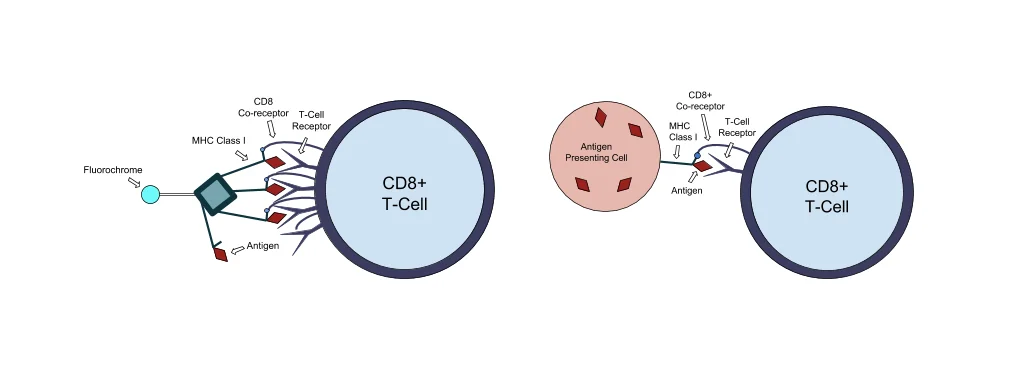
Antigen-presenting cells help connect the innate and adaptive branches by processing microorganisms into fragments displayed on major histocompatibility complex molecules. This presentation allows the more specific adaptive system to engage when innate defenses alone are insufficient.
The adaptive response activates more slowly than the innate one but targets particular molecular shapes called antigens. It generates long-lived lymphocytes that create immune memory, enabling quicker and stronger reactions upon future encounters with the same threat.
Newborn puppies lack this memory and rely heavily on passive immunity passed from the mother. Their own adaptive responses mature over time, with competence changing across life stages from puppyhood through old age.
T Cells and the Development of Memory
Naïve CD4+ T cells recognize antigens presented on MHC class II molecules via their T cell receptors in secondary lymphoid organs. Activation requires additional co-stimulatory signals and cytokines.
Once activated, these cells differentiate into specialized subsets that produce distinct cytokines and perform different roles. As an immune response winds down, some cells become long-lived memory phenotypes capable of rapid recall if the same challenge returns.
Canine T cell behavior has been studied in contexts including stimulation in laboratory settings, normal homeostasis, and disease. These observations are often interpreted through a comparative lens that notes both similarities to and differences from immune responses in mice, humans, and pigs.
Diagram showing an MHC tetramer binding to T-cell receptors and an MHC molecule on an antigen-presenting cell binding to T-cell receptors. Bethmkthomas · CC BY-SA 4.0. Web size optimized; original linked.
Organs That Support Immune Coordination
Lymph nodes filter fluid and bring immune cells together with antigens. The spleen filters blood and stores lymphocytes. Bone marrow produces new neutrophils, monocytes, and lymphocytes on an ongoing basis.
The thymus supports T cell development in young dogs before shrinking in adulthood. Mucosa-associated lymphoid tissue lines areas such as the intestines and respiratory tract, offering localized protection where many pathogens first attempt entry.
These structures communicate through vessels and chemical messengers, allowing a localized problem to prompt a wider response when needed.
Variations Across Life Stages and Breeds
Immune responses differ across a dog’s lifetime. Puppies face higher infection risk early on, while immune competence tends to decline in elderly dogs.
Selective breeding has produced breed-to-breed differences in how immune cells respond, though no breed is completely protected from all threats. Environmental factors including nutrition, stress, and microbial exposure also influence immune performance.
Current understanding of these variations in dogs is described as limited, dispersed, and sometimes based on older studies that are difficult to access. Ongoing research continues to explore these topics.
General education, not individual veterinary advice. Ask a veterinarian about your dog’s health and care.
AI-assisted original writing. This feature was revised against source material and checked for unsupported claims. Follow the references below for evidence and its limits.
Research shows canine cognition follows a clear arc of early gains, midlife peak, and later gentle decline, offering owners practical ways to support their pets at every age.
Protected command centers in the brain and spinal cord team up with far-reaching nerves that connect to muscles, skin, and organs, letting dogs react to scents, sounds, and sudden surprises.
 Reference image