DNA Methylation Differences Between Modern Dogs and Wolves
Studies of methylation patterns in contemporary canids show clear distinctions that may relate to behavior and domestication, though direct evidence from ancient remains is absent.
Modern genetic research has uncovered intriguing differences in DNA methylation—the molecular tags that help regulate gene activity—between gray wolves and domestic dogs. While these patterns do not come from ancient canine bones, they appear in brain tissue, blood cells, and other samples from living animals. The findings hint at how selection pressures during domestication might have left epigenetic marks, though researchers caution that the work relies entirely on present-day specimens. This article explores what the evidence actually shows, what it cannot yet tell us, and why the topic continues to fascinate scientists and dog lovers alike. Expect a mix of solid data, acknowledged limits, and a few light-hearted observations about our four-legged friends who somehow convinced us to share our sofas.
What the Methylation Studies Actually Measured
Three independent research teams examined methylation patterns across different tissues and canid groups. One study scanned more than 24,000 cytosine sites and found 68 locations where methylation levels differed consistently between purebred dogs and gray wolves. These differences were often modest, with dogs tending toward slight increases in methylation. Many of the varying sites sat near repetitive DNA elements known as transposons. A smaller number overlapped with genes that influence neurotransmitter activity. When researchers fed the methylation data into principal-component analysis and clustering algorithms, the patterns cleanly separated domestic dogs from wild wolves.
A second project focused on the frontal cortex of the brain and compared wolves with multiple dog breeds. It too reported substantial methylation differences, some of which mapped to genes involved in behavior or body shape. The third study looked at promoter regions of specific behavior-related genes (OXTR, SLC6A4, and COMT) in cheek cells. It found that more than half of the CpG units examined showed statistically significant methylation differences between wolves and three domestic breeds. Hierarchical clustering of those profiles placed every wolf in one group and every dog in another, with Golden Retrievers forming their own sub-cluster. All three papers emphasize that the work used only samples from living animals; no ancient DNA methylation data from archaeological dog or wolf remains were analyzed.
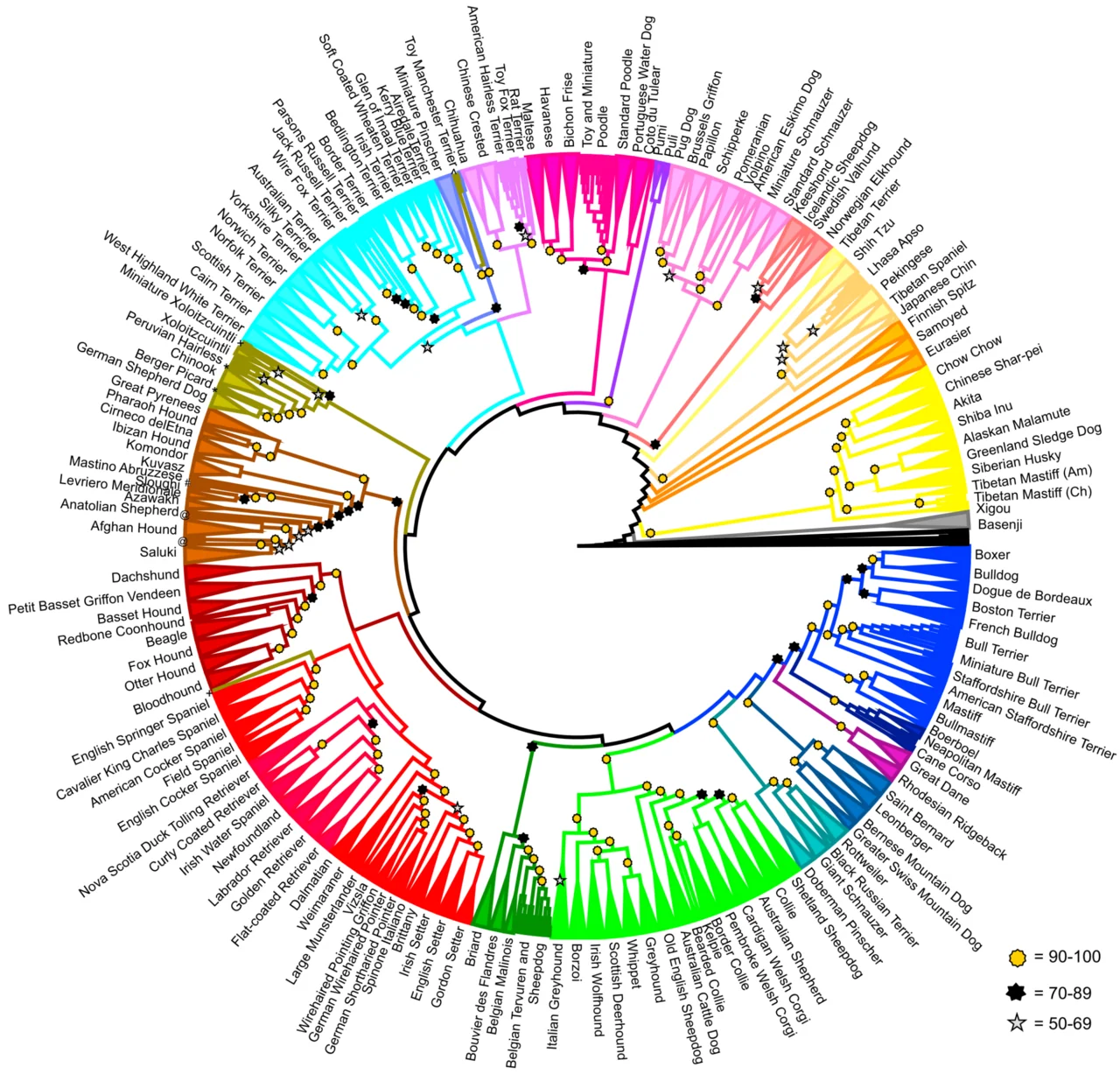
Cladogram of 161 domestic dog breeds, based on genomic analysis. Published by the researchers of the NIH's Dog Genome Project. Breeds that form unique clades supported by 100% of bootstraps are combined into triangles. For all other branches the gold star =90% or better, Black star = 70% -89%, Silver star = 50% -69% bootstrap support. Breeds are listed on the perimeter of the circle. A small number of dogs do not cluster with the rest of their breed indicated as follows: * - Cane paratore; + - Peruvian Hairless dog; # - Sloughi; @ - Country of origin Salukis; ^ - Miniature Xoloitzcuintli. Heidi G Parker, Dayna L Dreger, Maud Rimbault, Brian W Davis, Alexandra B Mullen, Gretchen Carpintero-Ramirez, Elaine A Ostrander · CC BY 4.0. Web size optimized; original linked.
Heritability and Stability of the Marks
One reassuring detail is that a sizable fraction of the methylation differences observed in wolves appear to be passed down through families. Researchers checked pedigrees from the well-studied Yellowstone wolf population and found that many of these epigenetic marks showed high heritability. That stability suggests the patterns are not simply fleeting responses to environment but can persist across generations. Still, the same study notes that heritability was assessed only in wolves, not in dogs, leaving open questions about how faithfully such marks survive the intense artificial selection that created modern breeds.
The brain-tissue study adds another layer. Because methylation can be influenced by both genetics and experience, the authors speculate that some of the differences they saw might reflect centuries of living alongside humans. Yet they are careful to label this an interpretation rather than a proven cause. The cheek-cell study found similar segregation between wolves and dogs, but the sample was limited to a handful of breeds and a small number of animals. Taken together, the evidence supports the existence of consistent epigenetic differences, yet it stops short of proving that any particular methylation change was the direct result of early human-canine bonding.
Links to Behavior-Related Genes
Several of the genes near differentially methylated sites have plausible connections to behavior. OXTR (the oxytocin receptor), SLC6A4 (a serotonin transporter), and COMT (an enzyme that breaks down catecholamines) all play roles in social interaction, stress response, and impulse control. The fact that their promoter regions show different methylation levels in wolves versus dogs is intriguing to anyone who has watched a wolf pack on a nature documentary and then looked at their own snoring Labrador. The humor here is obvious: dogs somehow turned the “stay away” dial down and the “please rub my belly” dial up. But the science remains correlational. The papers do not demonstrate that these methylation differences actually cause tamer behavior; they simply note the overlap and suggest it deserves further study.
It is also worth remembering that methylation is only one layer of regulation. Gene expression can be influenced by DNA sequence variants, transcription factors, non-coding RNAs, and plain old experience. The studies acknowledge these complexities and do not claim that epigenetics alone explains why dogs greet us with wagging tails while wolves generally do not. Editorial note: the warm feeling we get when a dog leans against our leg may have ancient roots, but pinning that emotion on a specific methyl group in a specific gene would be premature.
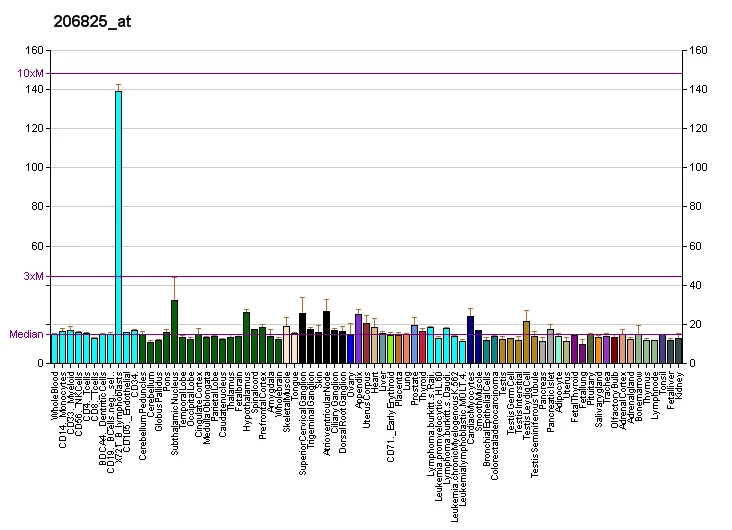
Gene expression pattern of the OXTR gene. OXTR (oxytocin receptor) was one of the behavior-related genes whose promoter methylation was compared between wolves and dogs. AndrewGNF at English Wikipedia · CC BY-SA 3.0. Web size optimized; original linked.
Breed-Level Variation and Its Implications
Methylation patterns are not uniform across all dogs. Both the brain and cheek-cell studies found that different breeds can form their own epigenetic clusters. Golden Retrievers, for example, stood apart from other domestic dogs in one analysis. This raises the possibility that the intense breeding programs of the last few centuries have continued to reshape epigenetic landscapes long after the initial domestication events. If true, it means today’s Chihuahuas and Great Danes may carry methylation signatures that reflect relatively recent human choices rather than the first friendly interactions between people and wolves.
The practical takeaway for dog owners and breeders is that epigenetic data could one day complement genetic testing. Before that happens, however, far larger and more diverse samples are needed. Current studies used limited numbers of animals and breeds. Until those gaps are filled, any claim that a particular methylation profile predicts a dog’s personality should be taken with a large grain of kibble. Reading question: if your rescue mutt’s methylation map turned out to be half-wolf, half-Labrador, would you treat her any differently? Most of us would probably just keep throwing the tennis ball.
Limitations, Open Questions, and Editorial Thoughts
The most important limitation is the complete absence of ancient methylation data. All three papers rely on modern samples, so we cannot directly observe how methylation patterns looked in the first wolves that began hanging around human camps. Without those baselines, it is impossible to know whether the differences we see today appeared early in domestication or accumulated later. The authors themselves are frank about this constraint and avoid sweeping claims about “the first friendly wolves.”
That honesty is refreshing. In an era when clickbait headlines promise to reveal “the gene for loyalty,” these researchers stick to what their data actually support: consistent, heritable methylation differences exist between wolves and dogs, some of which sit near behavior-related genes. The findings are solid enough to justify deeper investigation, perhaps with new techniques that might one day recover epigenetic information from well-preserved ancient bones. Until then, we are left with an engaging scientific puzzle and the daily reminder that our dogs chose us as much as we chose them—methyl groups or no methyl groups. Personal editorial reflection: whether the science eventually traces those changes to a specific campfire 15,000 years ago or not, the companionship itself remains a gift worth cherishing. (Word count: 812)
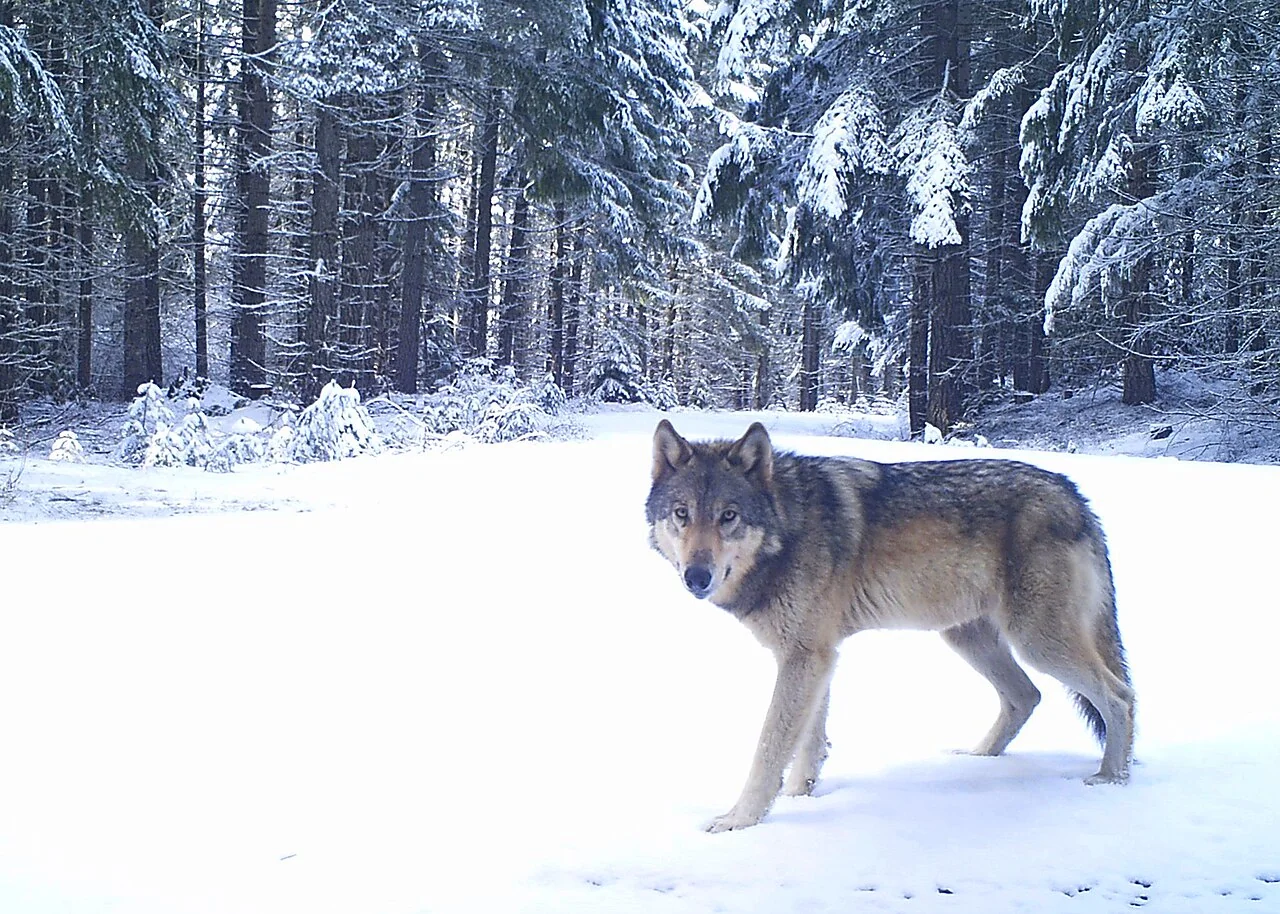
A gray wolf photographed by a remote camera in Oregon in March 2020. Context for comparing modern wolves and domestic dogs; this is not an ancient specimen. Oregon Department of Fish & Wildlife · CC BY-SA 2.0. Web size optimized; original linked.
AI-assisted original writing. This feature was revised against source material and checked for unsupported claims. Follow the references below for evidence and its limits.
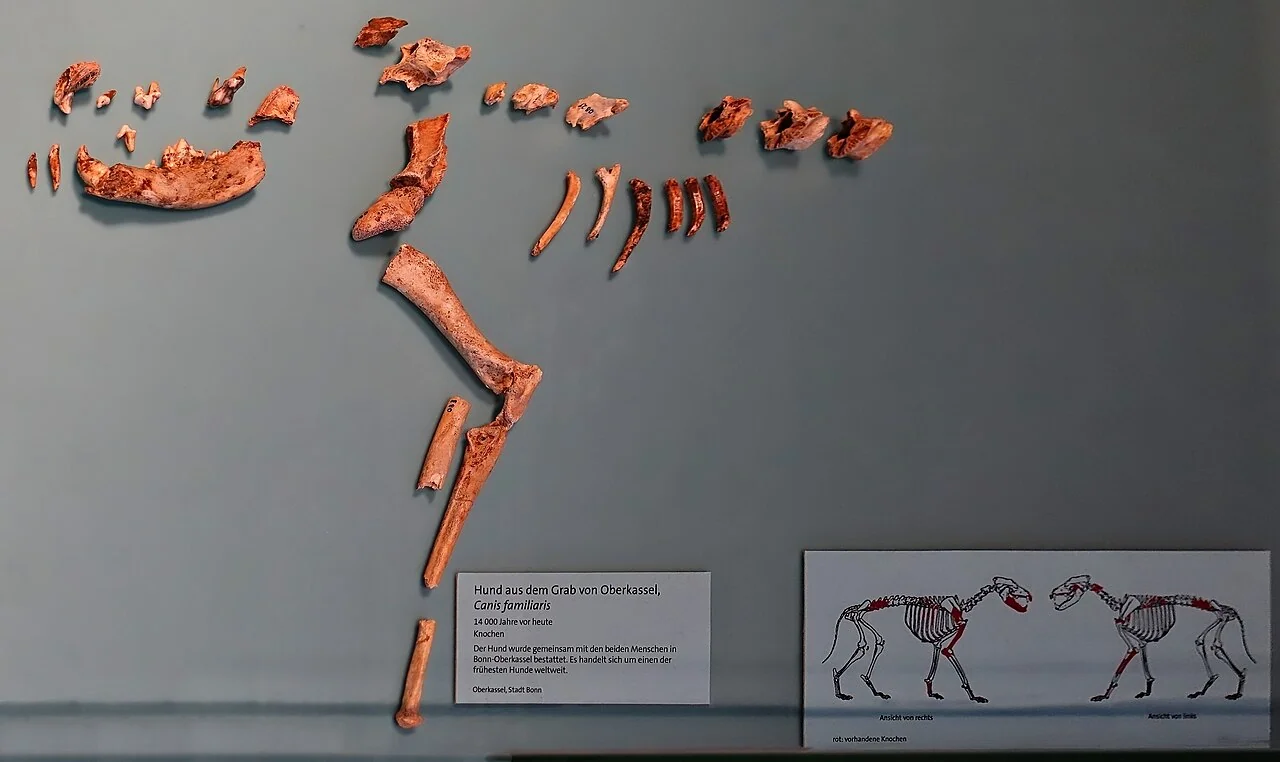
Archaeological finds from select European sites offer glimpses into possible relationships between people and dogs, while underscoring the challenges of interpreting ancient deposits.
Owner-led projects offer scale and real-world glimpses into canine minds, yet differences in tester identity and uncontrolled home settings can introduce systematic errors that large samples do not automatically cancel out.
Penn State researchers once used MRI scans and computer simulations to map airflow inside a dog’s nasal passages, offering clues for designing better chemical sensors.
 Photograph